
Is Egg Freezing Safe for Future Pregnancy?
Many women want to have children someday. But what if you have not found the right partner, need more time to establish your career, want to accomplish other life goals, or are facing a medical procedure that could impact your fertility? Freezing your eggs is an option that may help you realize your dream of motherhood when you are ready. Having your eggs extracted and stored for future use may give you the best chance of conceiving later on, especially if you are facing a medical treatment or a health condition that can affect fertility.
However, amidst all the hope and planning, the biggest question on every woman’s mind is always about safety. You want to know if the medications and procedures will harm your body today or negatively impact your baby tomorrow. The good news is that medical advancements have made this process incredibly secure.
The Step-by-Step Medical Process of Preserving Your Eggs
To understand if the process is safe, you need to know exactly how it works. The journey begins with hormonal stimulation. For about ten to twelve days, you will self-inject natural hormones that encourage your ovaries to mature a batch of eggs simultaneously. Your doctor will monitor you closely with blood tests and ultrasounds.
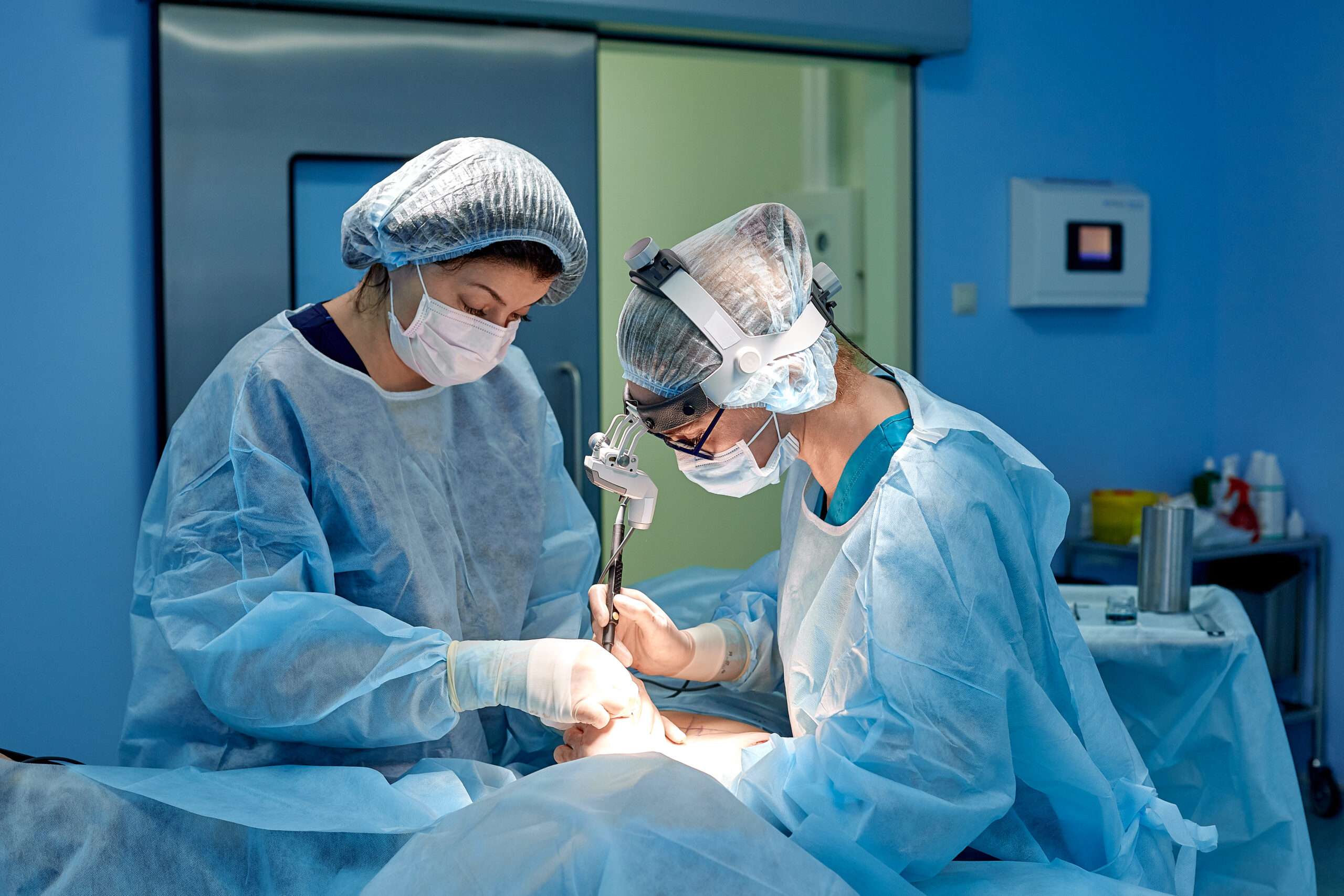
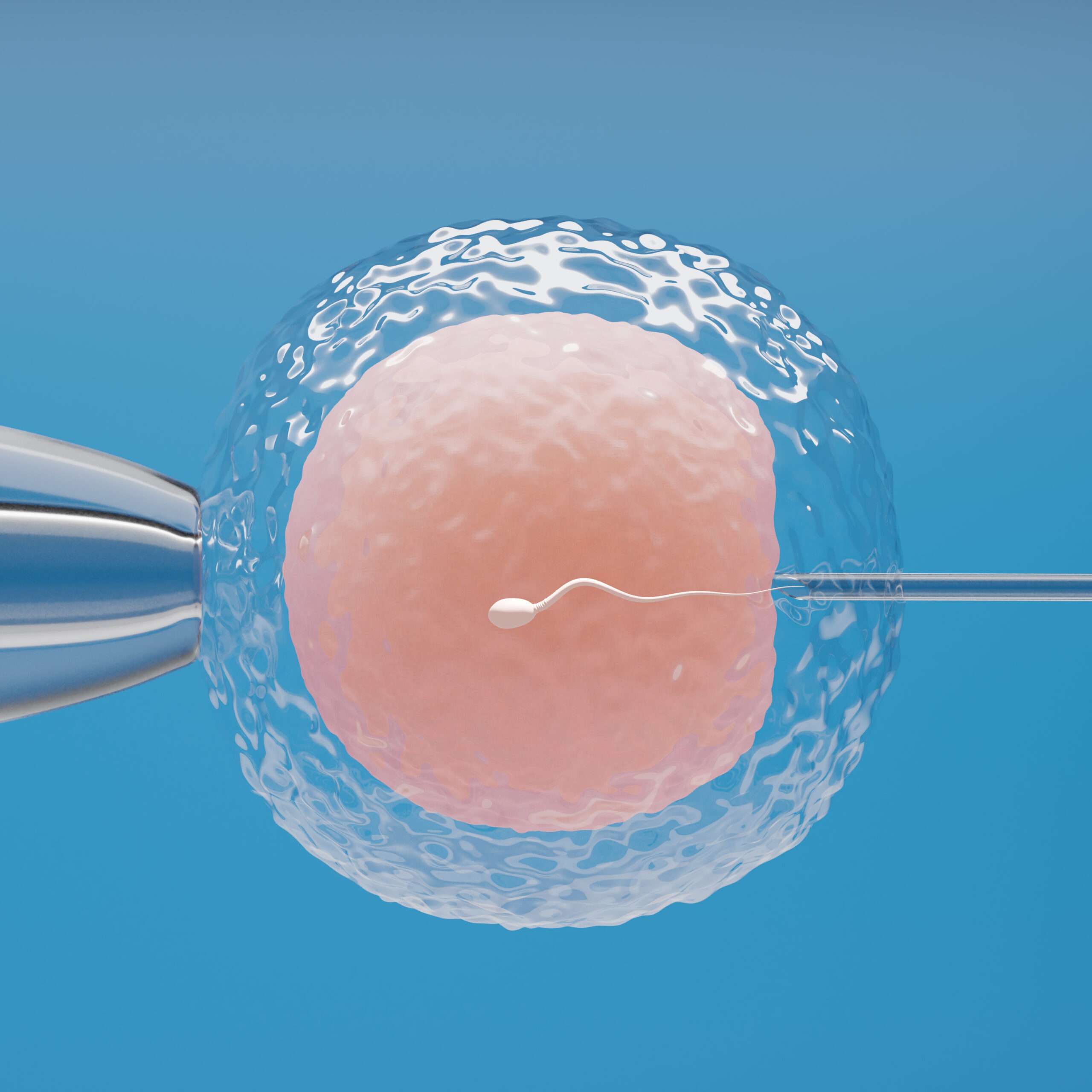
Once the eggs are mature, you undergo a brief retrieval procedure. This is a minor outpatient surgery that takes about twenty minutes under light sedation. A doctor uses an ultrasound guide to gently collect the eggs. Finally, the clinic uses a flash freezing method called vitrification to safely store the eggs in liquid nitrogen, preventing any damaging ice crystals from forming.
If You Freeze Your Eggs, Can You Still Get Pregnant Naturally?
This is perhaps the most common safety concern women have.
Many fear that extracting a dozen eggs now will drain their natural reserve and ruin their chances of conceiving naturally in the future. You can absolutely still get pregnant naturally after this procedure.
Every single month, your body prepares a large group of eggs, but only one ovulates. The rest of that group naturally dissolves and is absorbed by your body. The fertility medications simply rescue that entire group from dying off. You are only retrieving the eggs you were destined to lose that month anyway. Your future ovarian reserve remains completely untouched and safe.
Knowing that your long-term fertility is safe brings immense peace of mind. However, it is completely natural to wonder how the medications will make you feel in the moment. Since the treatment involves waking up multiple eggs at once, your body will go through a specific set of physical shifts to accommodate them.
The good news is that these shifts are highly controlled and entirely temporary. Let us explore exactly what you will experience during the cycle, and reassure you about what remains completely unchanged.
What egg freezing changes in your body, and what it does not
The changes you experience are entirely temporary and do not alter your fundamental biology.
What does it change for a short period?
- Temporary Hormone Shifts: The daily injection medications will temporarily elevate your estrogen levels. This specific hormonal shift is exactly what signals your body to mature multiple eggs at the same time.
- Ovarian Expansion: Your ovaries will safely expand from their normal almond size to roughly the size of a lemon. This temporary swelling creates the necessary room for the growing egg follicles and subsides quickly after the retrieval surgery.
- Physical Comfort Levels: Because of the hormone shifts and expanded ovaries, you will likely experience bloating, mild fatigue, and mood swings. These symptoms feel very similar to standard premenstrual syndrome and typically disappear within a week or two following the procedure.
What does not change long-term?
- Your Overall Ovarian Reserve: The procedure only rescues the specific eggs that were naturally destined to fade away that month. It never depletes your vault or reduces your total lifetime egg count.
- Your Natural Menstrual Cycle: Once you recover from the brief retrieval procedure, your periods will return to their regular schedule. Your body will resume its normal monthly rhythm as if the treatment never happened.
- The Onset of Menopause: Because the process does not touch your future egg supply, it absolutely does not push you into early menopause. Your natural biological timeline remains exactly as it was before you began the treatment.
The truth is, while it cannot protect your body from the physical demands of carrying a child later in life, it provides massive safety advantages for the genetic health of your future baby.
How Egg Freezing Protects Your Egg Age, Not the Whole Pregnancy Journey
The truth is, while it cannot protect your body from the physical demands of carrying a child later in life, it provides massive safety advantages for the genetic health of your future baby. When we ask if egg freezing is safe for a future pregnancy, we have to look at the incredible protective benefits it offers.
The primary benefit is chromosomal safety. By freezing your eggs in your twenties or early thirties, you lock in the genetic quality of those cells. When you use them later, your future baby will have the genetic risk profile of your younger self. This significantly lowers the chances of chromosomal abnormalities, miscarriages, and age-related birth defects.
Beyond the medical benefits for the baby, the psychological safety for the mother is immense. It removes the ticking biological clock from your daily life, allowing you to build a stable life and choose a partner based on love rather than a rushed timeline. Reducing this immense life stress is a highly underrated part of planning for a safe and healthy future family.
What are the medical risks of social egg freezing and IVF?
While generally safe, any medical intervention carries potential risks that you must discuss with your doctor to protect your future pregnancy goals.
The Risk of Ovarian Hyperstimulation Syndrome
The most notable medical risk is Ovarian Hyperstimulation Syndrome. This occurs when the body overreacts to the hormone medications, causing fluid to leak into the abdomen. While mild bloating is normal, severe cases can require medical drainage or hospitalization. Modern doctors use highly tailored medication doses to keep this severe risk below one to two percent.
Surgical Risks During Egg Retrieval
The retrieval is a surgical procedure. As with any minor surgery involving a needle and anesthesia, there is a very small risk of infection, bleeding, or damage to surrounding organs like the bowel or bladder. These complications are exceedingly rare when performed by a skilled specialist.
Emotional and Psychological Toll
The hormone injections can amplify anxiety and sadness. Additionally, the pressure of waiting to hear how many eggs were successfully retrieved can be incredibly stressful.
The Risk of False Hope and Cycle Failure
Perhaps the biggest risk is assuming that freezing eggs is foolproof. Eggs can fail to survive the thaw, fail to fertilize, or fail to implant as embryos. This is why doctors emphasize that it is a backup plan, not an absolute guarantee.
What are the medical risks of pregnancy at an advanced age?
Using your frozen eggs later in life protects the baby from genetic issues, but it does not protect the mother from the physical realities of being an older pregnant woman.
Increased Chances of Gestational Diabetes
As the body ages, it becomes less efficient at processing sugars. Women carrying pregnancies in their late thirties and forties have a significantly higher risk of developing gestational diabetes, which requires strict diet control and monitoring.
High Blood Pressure and Preeclampsia
Older mothers face a heightened risk of pregnancy-induced hypertension and preeclampsia. This condition can be dangerous for both the mother and the baby, often requiring early delivery to ensure safety.
Higher Rates of Cesarean Delivery
Uterine muscle function changes as we age. Because of this, older mothers experience higher rates of prolonged labor and a significantly higher likelihood of needing a Cesarean section for a safe delivery.
Premature Birth and Low Birth Weight
Even with a high-quality frozen egg, the aging uterine environment carries a slightly higher risk of delivering the baby prematurely, which can lead to extended stays in the neonatal intensive care unit.
Alternative Options to Egg Freezing
If the medical process feels too daunting, there are other paths. If you have a long-term partner, embryo freezing is an alternative. Embryos generally survive the freezing and thawing process at slightly higher rates than unfertilized eggs.
Another alternative is lifestyle optimization. Focusing heavily on nutrition, reducing environmental toxins, and managing stress can help protect your natural ovarian reserve for as long as possible. Finally, some women choose to adjust their life timelines to try for natural conception earlier than originally planned.
Choosing the Right Clinic Matters
Your safety and your future pregnancy depend heavily on the laboratory. Not all clinics are created equal. You need a clinic with a robust vitrification program and proven success rates for thawing eggs. A brilliant doctor cannot make up for a subpar laboratory. Always ask a clinic for their specific thaw survival rates and live birth rates from frozen eggs before committing.
Conclusion
So, is egg freezing safe for your future pregnancy? Yes.
The physical procedure is highly regulated, the risk of serious complications is incredibly low, and babies born from frozen eggs are just as healthy as those conceived naturally. It does not deplete your natural reserve, leaving your future fertility intact. However, safety also means protecting your heart and your expectations.
By understanding that this technology preserves your options rather than guaranteeing an outcome, you can make an empowered, safe decision for your future family.
Frequently Asked Questions
- Can a woman get pregnant after freezing eggs?
Yes, absolutely.
The procedure only removes eggs that your body was going to discard that month anyway. Your remaining ovarian reserve is untouched, and natural conception remains completely possible.
- Is 37 too late to freeze eggs?
It is not strictly too late, but the quality and quantity of eggs decline significantly after age 35.
A woman at 37 will likely need to undergo multiple retrieval cycles to secure enough high-quality eggs for a reasonable chance of future success.
- Why did Priyanka Chopra freeze her eggs?
She has spoken openly about freezing her eggs in her early thirties.
She did it to alleviate anxiety, allowing her to focus on her demanding career and giving her the freedom to wait until she met the right person to start a family.
- Does egg freezing impact future fertility?
No, it does not negatively impact your future fertility.
It does not cause early menopause or lower your chances of conceiving naturally in the months and years following the procedure.
Our Specialities
- Male infertility workup
- Female Infertility Work-up and Treatment
- IUI (intrauterine insemination)
- IVF (In Vitro Fertilization)
- ICSI (Intracytoplasmic Sperm Injection)
- Sperm Retrieval (TESA, TESE, PESA, MESA)
- Varicocelectomy
- Tuboplasty for Tubal Block
- Timed Intercourse
- Follicular / Ovulation Study
- Frozen Embryo Transfer (FET)
- Oocyte Retrieval
- View All Specialities
Book Your Fertility Consultation
Nullife IVF Clinic - Best Fertility Center in Navi Mumbai
Visit Our IVF Clinic in Seawoods, Navi Mumbai
Easily accessible from Vashi, Nerul, CBD Belapur, and all areas of Navi Mumbai