Treatment Options for Endometriosis and Infertility Explained
Endometriosis is a complex reproductive health condition where tissue similar to the uterine lining grows outside the uterus. It can cause severe pelvic pain, painful periods, irregular bleeding, and difficulty in conceiving. For many women, endometriosis becomes one of the major reasons behind infertility because it can affect the ovaries, fallopian tubes, egg quality, and overall pelvic health.
If you are struggling with endometriosis and infertility, it is important to know that pregnancy is still possible with the right diagnosis and treatment plan. Today, advanced fertility care offers multiple options, including medicines, laparoscopic surgery, IUI, and IVF.
At Nulife IVF Centre, a trusted IVF center in Seawoods, Navi Mumbai, our fertility specialists help couples understand the severity of endometriosis and choose a treatment pathway that improves their chances of conception.
Understanding the Connection Between Endometriosis and Infertility
Endometriosis can affect fertility in more than one way. In some women, it causes physical blockages, while in others, it affects egg quality, ovulation, or the internal environment needed for pregnancy.
That is why a personalized fertility evaluation is important. At a good IVF center in Navi Mumbai, your doctor will assess your age, ovarian reserve, ultrasound findings, pain symptoms, previous treatment history, and how long you have been trying to conceive.
How Endometriosis Affects Pelvic Anatomy and Fertility
When endometriosis tissue grows outside the uterus, it can cause inflammation, scarring, and adhesions. Adhesions are thick bands of scar tissue that can make pelvic organs stick to each other.
This can affect fertility in several ways:
- Fallopian tubes may become blocked or twisted
- Ovaries may not release eggs properly
- The egg and sperm may not meet naturally
- The uterus, ovaries, and tubes may lose their normal position
- Chronic inflammation may reduce the chances of implantation
In mild cases, fertility may only be slightly affected. In moderate to severe endometriosis, natural conception can become more difficult.
Effect of Endometriomas on Ovarian Reserve
Endometriosis can sometimes form cysts inside the ovaries. These cysts are called endometriomas or chocolate cysts. They contain old blood and inflammatory fluid, which can affect the surrounding healthy ovarian tissue.
Endometriomas may reduce ovarian reserve, which means the number and quality of eggs may decrease. This is why women with endometriomas should not delay fertility consultation, especially if they are planning pregnancy.
At Nulife IVF Centre, our fertility doctors carefully evaluate ovarian reserve before recommending treatment. This helps decide whether surgery, IUI, IVF, or fertility preservation is the better option.
Diagnosis of Endometriosis and Infertility
Proper diagnosis is the first step toward successful treatment. Since endometriosis can present differently in every woman, your fertility specialist may suggest a combination of clinical evaluation, imaging, and fertility tests.
Pelvic Examination and Medical History
Your doctor will first ask about symptoms such as pelvic pain, painful periods, pain during intercourse, heavy bleeding, bowel discomfort, and difficulty conceiving. A pelvic examination may also be done to check for tenderness, cysts, or restricted movement of pelvic organs.
Ultrasound and MRI
Ultrasound is commonly used to detect ovarian cysts, endometriomas, fibroids, and other reproductive concerns. In more complex cases, MRI may be advised to understand the depth and spread of endometriosis.
Although imaging may not detect every small endometriosis lesion, it helps in planning treatment and deciding whether surgery is required.
Laparoscopy for Endometriosis Diagnosis
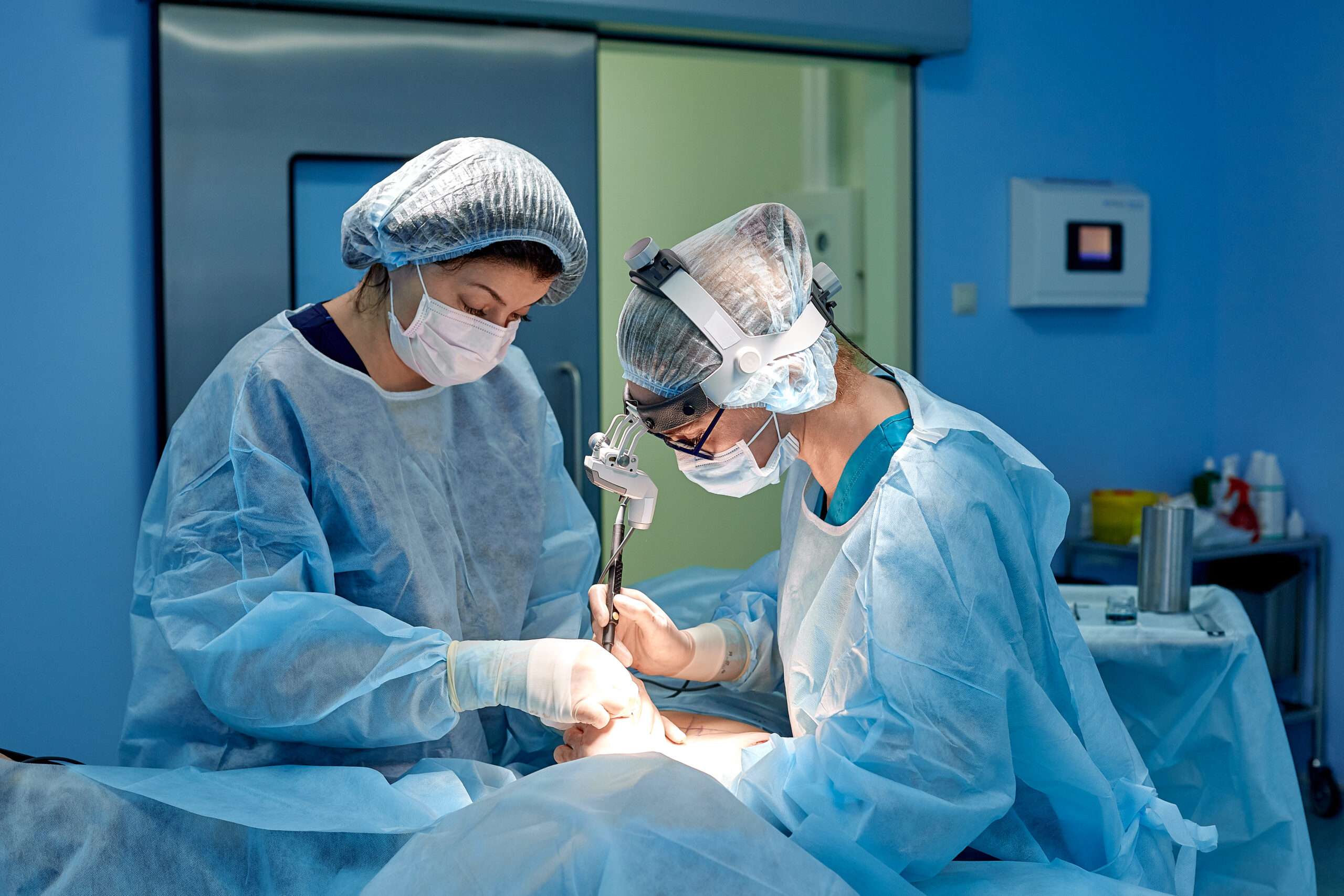
Laparoscopy is considered the most accurate way to confirm endometriosis. It is a minimally invasive surgery where a small camera is inserted through a tiny cut near the abdomen.
During laparoscopy, the doctor can directly see endometriosis patches, adhesions, cysts, and pelvic scarring. In many cases, treatment can be done during the same procedure by removing or burning endometriosis lesions.
Medical Treatment for Endometriosis
Medical treatment is mainly used to control pain and reduce disease activity. These treatments may include hormonal pills, progesterone therapy, injections, or other medicines that suppress endometriosis growth.
However, these treatments are usually not suitable when a woman is actively trying to conceive because many of them stop ovulation temporarily. Since ovulation is necessary for natural pregnancy, hormonal treatment may delay fertility planning
This is why it is important to consult a fertility specialist if pregnancy is your goal.
Surgical Treatment for Endometriosis and Infertility
Surgery may help improve fertility in selected women, especially when endometriosis has caused adhesions, cysts, or anatomical distortion.
Laparoscopic Removal of Mild Endometriosis
In mild endometriosis, laparoscopic treatment can remove small lesions and reduce inflammation. This may improve the chances of natural conception, especially in younger women with good ovarian reserve and open fallopian tubes.
After surgery, your doctor may advise trying naturally for a few months or may suggest IUI depending on your fertility reports.
Surgery for Endometriomas and Severe Adhesions
In moderate to severe endometriosis, surgery may be needed to remove large endometriomas, release adhesions, and restore normal pelvic anatomy.
This can help improve pain and may improve fertility chances in selected cases. However, surgery must be planned carefully because ovarian surgery can sometimes reduce egg reserve.
Risk of Repeated Ovarian Surgeries
Repeated surgeries for endometriomas can reduce healthy ovarian tissue and lower egg count. This is especially important for women above 35 years or those who already have low AMH levels.
In such cases, your fertility specialist may recommend moving directly to IVF instead of repeated surgery. A well-planned decision can help protect your remaining eggs and improve your chances of pregnancy.
Fertility Treatment Options for Endometriosis Patients
When natural conception is difficult, assisted reproductive treatments can help couples achieve pregnancy. The right treatment depends on age, ovarian reserve, fallopian tube status, semen analysis, and severity of endometriosis.
At Nulife IVF Centre, an advanced IVF center in Seawoods, couples receive a customized treatment plan based on their fertility evaluation.
IUI Treatment for Mild Endometriosis
IUI, or intrauterine insemination, may be suitable for women with mild endometriosis, open fallopian tubes, good ovarian reserve, and normal or mildly affected sperm parameters.
In IUI treatment, fertility medicines are given to help the ovaries produce one or more mature eggs. At the right time, processed sperm is placed directly inside the uterus to increase the chances of fertilization.
IUI is usually recommended in selected mild cases and may not be effective for severe endometriosis, blocked tubes, or low ovarian reserve.
IVF for Endometriosis-Related Infertility
IVF is one of the most effective fertility treatments for endometriosis-related infertility. It is especially helpful when endometriosis has caused blocked tubes, severe adhesions, low ovarian reserve, or repeated failure of natural conception or IUI.
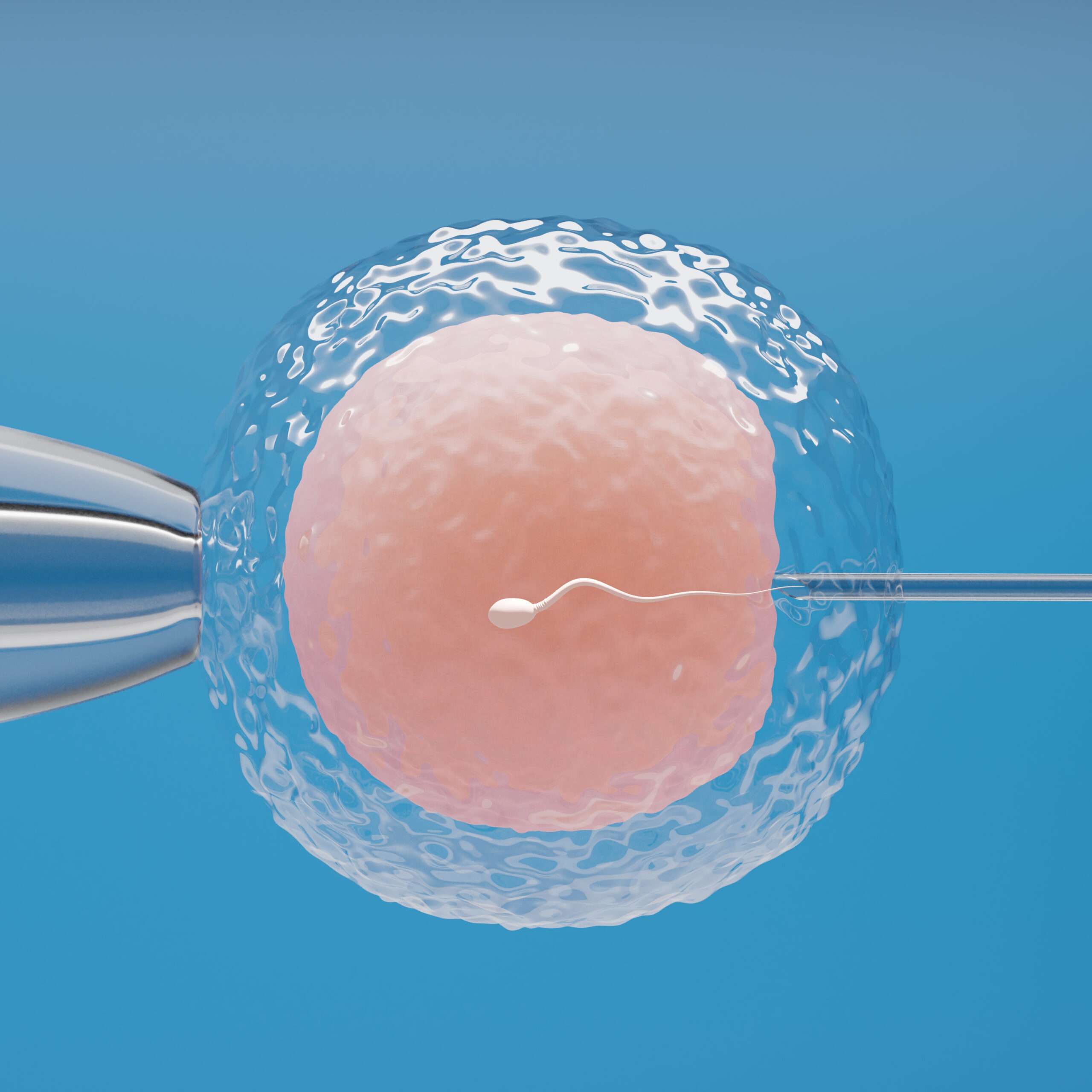
In IVF treatment, the ovaries are stimulated with medicines to produce multiple eggs. These eggs are collected and fertilized with sperm in the laboratory. The resulting embryo is then transferred directly into the uterus.
IVF bypasses many problems caused by endometriosis, including blocked fallopian tubes and pelvic scarring. This makes it a preferred option for many couples dealing with endometriosis and infertility.
When IVF May Be Recommended Before Surgery
In some cases, your doctor may advise IVF before surgery. This is often recommended when:
- The woman is above 35 years of age
- AMH or ovarian reserve is low
- Endometriomas are present but not causing severe symptoms
- Previous surgery has already been done
- Fallopian tubes are blocked
- There is male factor infertility
- The couple has been trying for a long time
Choosing IVF early can help save valuable time and protect fertility potential.
Pregnancy Care After Endometriosis
Once pregnancy is achieved, regular antenatal care is important. Women with endometriosis may need closer monitoring during pregnancy, especially if they have a history of severe disease, pelvic surgery, or previous pregnancy complications.
Your fertility and pregnancy care team will guide you through each stage to support a healthy pregnancy journey.
Why Choose Nulife IVF Centre in Seawoods, Navi Mumbai?
Choosing the right fertility clinic is one of the most important steps in your parenthood journey. Nulife IVF Centre is a trusted IVF center in Navi Mumbai offering personalized fertility care for couples facing endometriosis, infertility, PCOS, low AMH, male infertility, and other reproductive challenges.
Our team focuses on accurate diagnosis, ethical guidance, advanced fertility treatments, and compassionate support throughout your journey.
At our IVF center in Seawoods, we provide:
- Fertility evaluation for couples
- Endometriosis and infertility management
- Ovarian reserve testing
- IUI treatment
- IUI treatment IVF treatment
- Advanced reproductive care
- Personalized fertility counselling
- Pregnancy planning support
Conclusion
Endometriosis can make conception more difficult, but it does not mean pregnancy is impossible. With the right treatment approach, many women with endometriosis can successfully conceive.
Depending on your age, ovarian reserve, severity of disease, and fertility goals, your doctor may recommend natural trying after laparoscopy, IUI, or IVF. The key is to avoid delay and get a proper fertility evaluation from an experienced specialist.
If you are looking for an IVF center in Seawoods or an IVF center in Navi Mumbai for endometriosis and infertility treatment, Nulife IVF Centre can help you take the next step with confidence.
Schedule a consultation with the fertility specialists at Nulife IVF Centre in Seawoods, Navi Mumbai.
Call us at 077382 14950 or visit our clinic at Laxmi Icon CHS in Sector 44, Navi Mumbai to begin your fertility journey.
Our Specialities
- Male infertility workup
- Female Infertility Work-up and Treatment
- IUI (intrauterine insemination)
- IVF (In Vitro Fertilization)
- ICSI (Intracytoplasmic Sperm Injection)
- Sperm Retrieval (TESA, TESE, PESA, MESA)
- Varicocelectomy
- Tuboplasty for Tubal Block
- Timed Intercourse
- Follicular / Ovulation Study
- Frozen Embryo Transfer (FET)
- Oocyte Retrieval
- View All Specialities
Book Your Fertility Consultation
Nullife IVF Clinic - Best Fertility Center in Navi Mumbai
Visit Our IVF Clinic in Seawoods, Navi Mumbai
Easily accessible from Vashi, Nerul, CBD Belapur, and all areas of Navi Mumbai