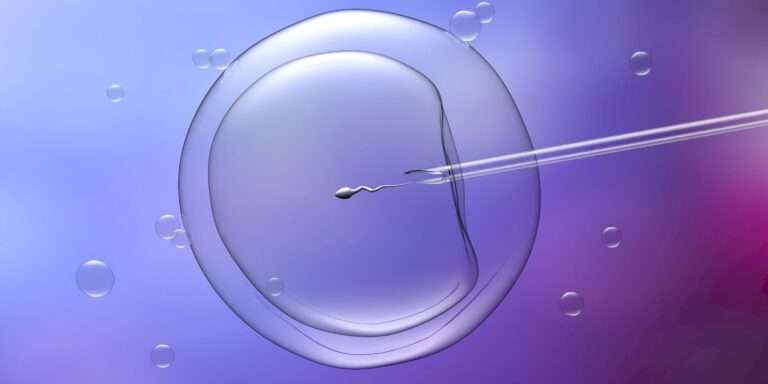
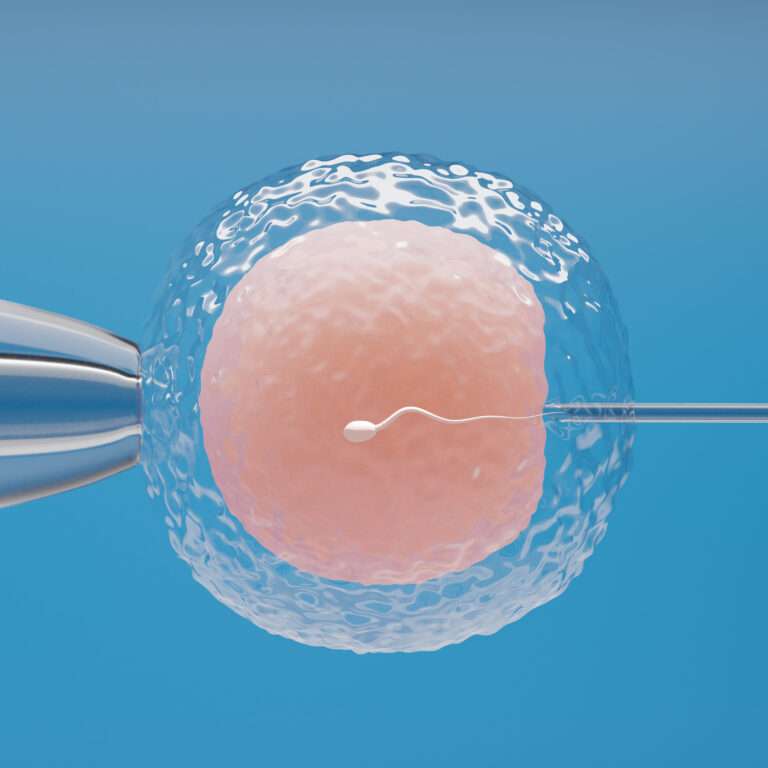
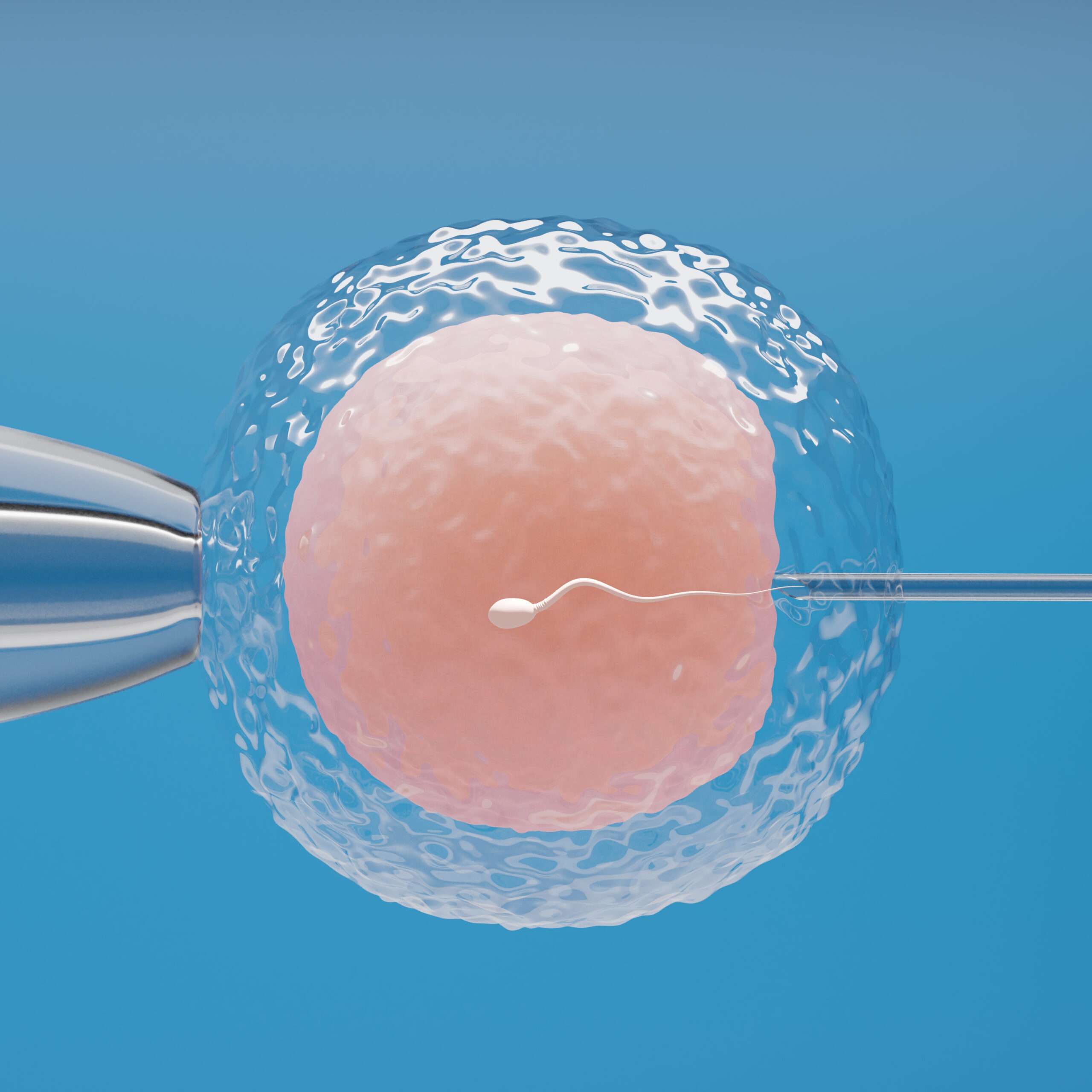
Intracytoplasmic Sperm Injection (ICSI) is a highly specialized assisted reproductive technique developed to overcome severe male infertility or fertilization challenges during IVF. Unlike conventional IVF, where sperm fertilizes the egg naturally in a culture dish, ICSI involves the precise selection of a single healthy sperm, which is injected directly into the cytoplasm of a mature egg using advanced micromanipulation under a high-powered microscope. This method bypasses many barriers to fertilization, including low sperm count, poor motility, abnormal morphology, or previous failed IVF attempts, giving couples a significantly improved chance of conception.
At Nulife IVF Clinic in Seawoods, Navi Mumbai, we perform ICSI within a state-of-the-art embryology laboratory that meets strict quality and safety standards. The process is designed to be patient-friendly, providing both comfort and support while maintaining clinical precision.
Why Choose Nulife IVF Clinic for ICSI Treatment in Navi Mumbai
Nulife IVF Clinic has established itself as a trusted fertility center known for advanced reproductive care. Our team includes experienced fertility specialists, embryologists, and nursing staff who collaborate closely to offer customized ICSI treatment plans tailored to the unique needs of each couple.
We prioritize a patient-centered approach, focusing not just on medical outcomes but also on emotional support throughout the fertility journey. From detailed consultations and clear explanations of procedures to hands-on monitoring during treatment, we ensure transparency and confidence at every step. Our clinic combines advanced laboratory technology with compassionate care, allowing couples to pursue ICSI with reassurance and hope.
When Is ICSI Recommended?
ICSI is particularly recommended in situations where conventional IVF may not yield optimal results. Common indications include:
Severe Male Factor Infertility: Low sperm count, poor motility, or abnormal sperm shape.
Previous IVF Failures: Cases where fertilization did not occur or was insufficient in earlier IVF cycles.
Sperm Retrieval Cases: Patients undergoing procedures such as PESA, TESA, or Micro-TESE to collect sperm directly from the testes or epididymis.
Frozen or Surgically Retrieved Sperm: ICSI allows successful fertilization using non-ejaculated sperm.
Fertility Preservation Cases: For patients with compromised sperm quality due to medical treatments or age.
Preimplantation Genetic Testing (PGT): When selecting embryos for genetic screening, ICSI ensures controlled fertilization, avoiding contamination by multiple sperm.
Our specialists carefully assess the couple’s history, fertility tests, and prior treatment outcomes to determine if ICSI is the best approach.
How the ICSI Procedure Works at Nulife IVF Clinic
Fertility Evaluation and Counseling ICSI begins with a comprehensive assessment of both partners, including semen analysis, ovarian reserve testing, ultrasound scans, and evaluation of overall reproductive health. Counseling ensures couples understand the procedure, expected outcomes, and timeline.
Ovarian Stimulation The female partner receives hormone medications to stimulate multiple eggs for retrieval. Regular monitoring with ultrasound and hormone levels ensures optimal follicle development and reduces the risk of overstimulation.
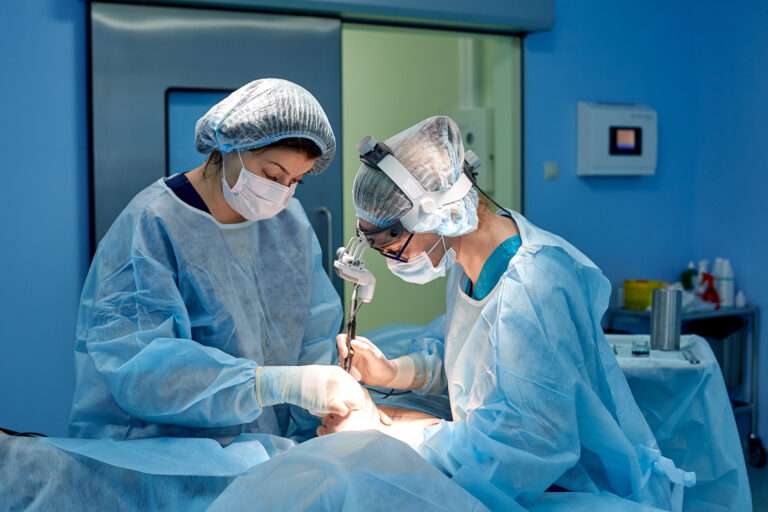
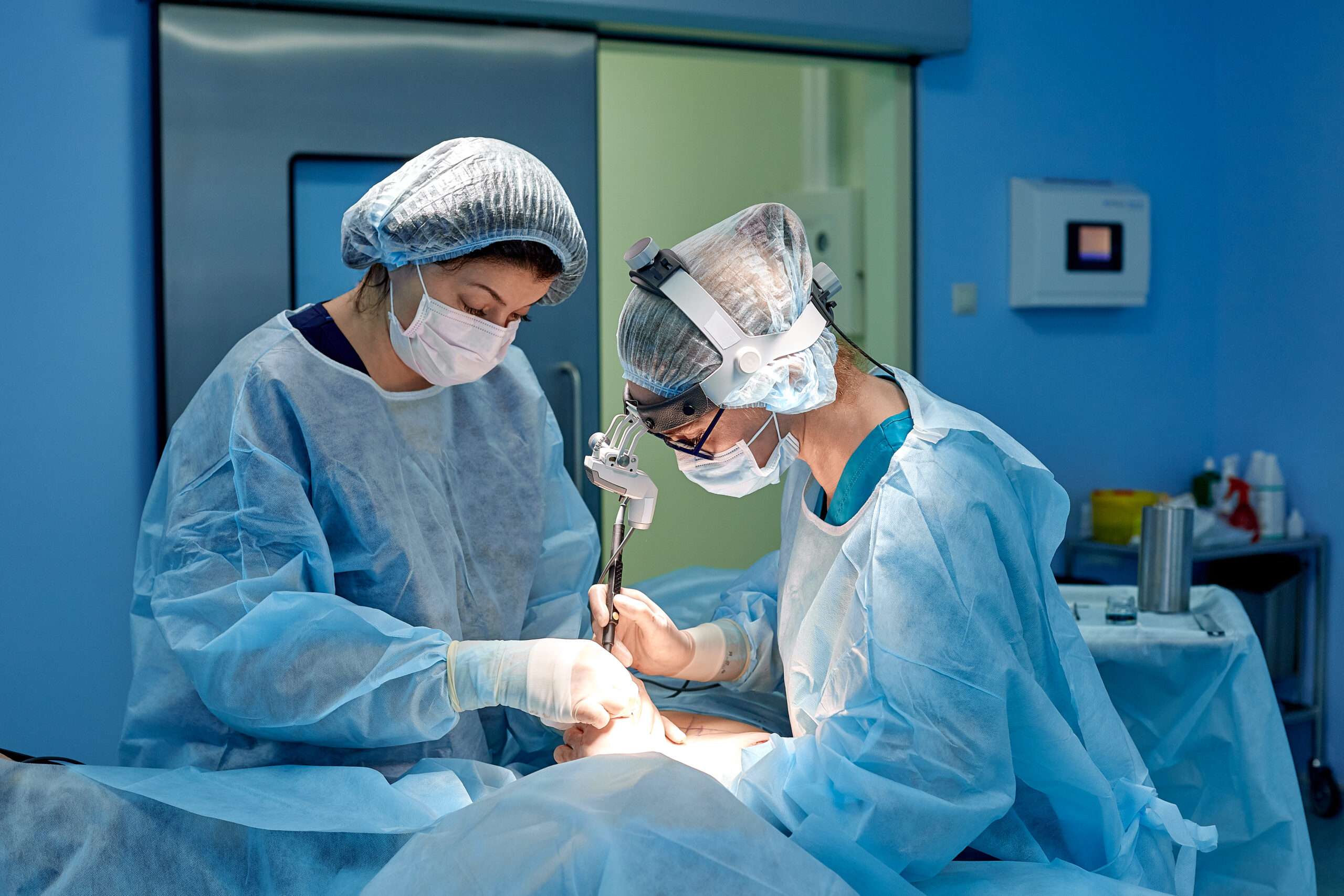
Egg Retrieval Once follicles reach maturity, eggs are collected through a minimally invasive procedure under mild anesthesia. This ensures patient comfort while maintaining precise collection for fertilization.
Sperm Preparation and Injection The male partner’s sperm is processed in the lab to isolate the healthiest, most motile sperm. Using a micromanipulator, a single sperm is injected directly into the cytoplasm of each mature egg. This meticulous step maximizes fertilization potential.
Embryo Culture Fertilized eggs (embryos) are cultured in a controlled laboratory environment for 3–5 days. Embryologists monitor cell division, growth, and morphology to select the best-quality embryos for transfer.
Embryo Transfer A selected embryo is transferred into the uterus using a soft catheter in a quick, painless procedure. Luteal support medications are provided to enhance implantation and maintain early pregnancy.
Pregnancy Confirmation A blood test is conducted approximately two weeks after embryo transfer to confirm pregnancy. Our team offers continued guidance and support through this crucial period.
Success Rates of ICSI
ICSI has revolutionized fertility treatment by providing high fertilization rates even in severe male infertility cases. Success depends on factors such as the woman’s age, egg quality, embryo development, and overall uterine health. At Nulife IVF Clinic, meticulous lab protocols, personalized stimulation plans, and skilled embryologists contribute to maximizing pregnancy rates. Patients are guided at every step to optimize outcomes, from selecting the healthiest sperm to post-transfer care.
Benefits of ICSI at Nulife IVF Clinic
Overcomes Severe Male Infertility: Effective when sperm count, motility, or morphology is significantly compromised.
Enables Use of Surgically Retrieved or Frozen Sperm: Provides flexibility for patients who cannot produce sperm through ejaculation.
Improves Fertilization After IVF Failure: Offers renewed hope for couples with prior unsuccessful cycles.
Compatible with Preimplantation Genetic Testing: Ensures precise fertilization and embryo selection for genetic screening.
Personalized Care: Each protocol is tailored based on diagnostic findings, medical history, and patient goals.
Assisted Reproductive Techniques (ART) at Nulife IVF Clinic
ICSI is part of a broader suite of advanced fertility treatments. At Nulife IVF Clinic we also offer :
IVF – Conventional in vitro fertilization for general infertility challenges
IUI – Intrauterine insemination for mild male or unexplained infertility
Embryo Freezing – Preserve embryos for future use
Fertility Preservation – For medical or personal reasons
Donor Programs – Screened egg or sperm donation
This integrated approach allows couples to access comprehensive ART options in one clinic.
Couples share their journey to parenthood with Nulife IVF Clinic.
I consulted Dr. Priyal for a IVF issue I had been anxious about for months, and I’m so glad I did. She made a sensitive topic easy to talk about...
Aishwarya Kale
First of all I would like to thank Dr. Grishma for being so friendly and optimistic towards her patients. She is one of the best gynac...
Saurabh Gupta
Excellent doctor... Appropriate treatment for my mom's burn wound... Very helpful n friendly doctor...
Thank you ❤️🙏
Ankita Sawant
I had the privilege of being treated and operated on by Dr. Priyal and the experience was exceptional from start to finish. The surgery was performed with…
Shivam Shrivastava
Frequently Asked Questions About ICSI
1. What is the main difference between ICSI and IVF?
In conventional IVF, eggs and sperm are mixed in a lab dish, and fertilization occurs naturally. ICSI is different because a single healthy sperm is directly injected into an egg using a micromanipulator. This controlled process bypasses fertilization barriers such as low sperm count, poor motility, or abnormal sperm shape, making it highly effective for severe male infertility or previous IVF failures.
2. Is ICSI painful?
Egg retrieval is performed under mild sedation or anesthesia, so patients experience minimal discomfort. The embryo transfer procedure is brief, generally painless, and requires no anesthesia. Most patients return to their normal routine immediately afterward. Mild cramping or spotting may occur but usually resolves quickly.
3. Who is the best candidate for ICSI?
ICSI is ideal for men with severe sperm abnormalities, including very low count, poor motility, or abnormal morphology. It’s also recommended for couples who experienced failed fertilization in previous IVF attempts, or when sperm is surgically retrieved from the testes or epididymis. Women undergoing preimplantation genetic testing may also benefit from ICSI.
4. Can ICSI be used with frozen sperm?
Yes. ICSI is effective with frozen sperm or sperm retrieved surgically via PESA, TESA, or Micro-TESE. Freezing allows flexibility in timing, fertility preservation, or use after medical treatments like chemotherapy. Our lab carefully prepares and selects the healthiest sperm to maximize fertilization success.
5. Are there risks involved in ICSI?
ICSI is generally safe, but as with any assisted reproductive procedure, minor risks exist. These may include ovarian hyperstimulation, mild discomfort, or multiple pregnancies if more than one embryo is transferred. Rarely, eggs may be damaged during injection, but meticulous lab protocols minimize this risk.
6. How successful is ICSI?
Fertilization rates with ICSI are high, often reaching 70–80% per injected egg. Pregnancy success depends on factors such as egg quality, sperm health, uterine environment, and maternal age. Personalized treatment plans and advanced lab techniques at Nullife IVF Clinic help maximize your chances of a successful pregnancy.
7. Does ICSI increase birth defects?
Extensive research indicates that babies conceived via ICSI generally have health outcomes comparable to naturally conceived children. Slightly increased risks may exist for certain genetic conditions, particularly if underlying male infertility has a genetic cause. Preimplantation genetic testing can further reduce these risks by selecting healthy embryos.
8. How many embryos are transferred after ICSI?
Typically, one or two embryos are transferred depending on maternal age, embryo quality, and previous fertility history. Transferring fewer embryos reduces the risk of multiple pregnancies while maintaining a high chance of success. Our specialists carefully evaluate each case to determine the safest and most effective approach.
9. Can ICSI be combined with genetic testing?
Yes. ICSI can be combined with preimplantation genetic testing (PGT) to identify chromosomally healthy embryos before transfer. This is especially useful for couples with recurrent pregnancy loss, advanced maternal age, or known genetic conditions. Combining ICSI with PGT enhances the likelihood of a successful and healthy pregnancy.
10. Is bed rest needed after embryo transfer?
Extended bed rest is not necessary. Light activity is safe immediately following embryo transfer. We recommend avoiding strenuous exercise, heavy lifting, or stressful activities for a few days to support implantation. Emotional support and stress management during this period can also positively influence overall well-being.
11. What if ICSI doesn’t work the first time?
If a cycle is unsuccessful, our team reviews every step, including egg quality, sperm preparation, and lab conditions. Adjustments may include changing stimulation protocols, using frozen embryos, or modifying embryo transfer timing. Couples receive detailed guidance to determine the best plan for the next attempt.
12. How soon can I try again after an ICSI cycle?
Most patients can attempt another cycle within one to two months, depending on their recovery and emotional readiness. Our specialists assess hormone levels, uterine health, and overall recovery before scheduling the next cycle. Personalized counseling ensures patients are prepared physically and mentally for subsequent attempts.
Book Your Consultation for Male Fertility Treatment at Nulife IVF Clinic
At Nulife IVF Clinic, Seawoods, Navi Mumbai, we specialize in advanced ICSI techniques to help couples overcome complex fertility challenges. With personalized plans, cutting-edge technology, and compassionate support, we guide you toward your dream of parenthood.
Your Guide to Advanced Fertility Care at Nulife IVF Clinic
Explore ICSI, IVF, and other ART options designed to help couples achieve successful pregnancies.