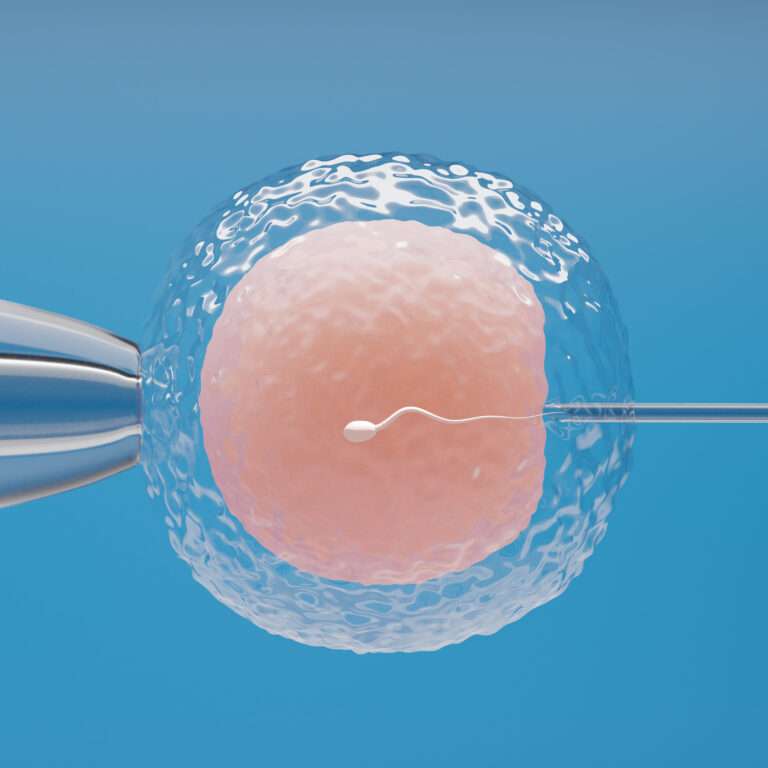
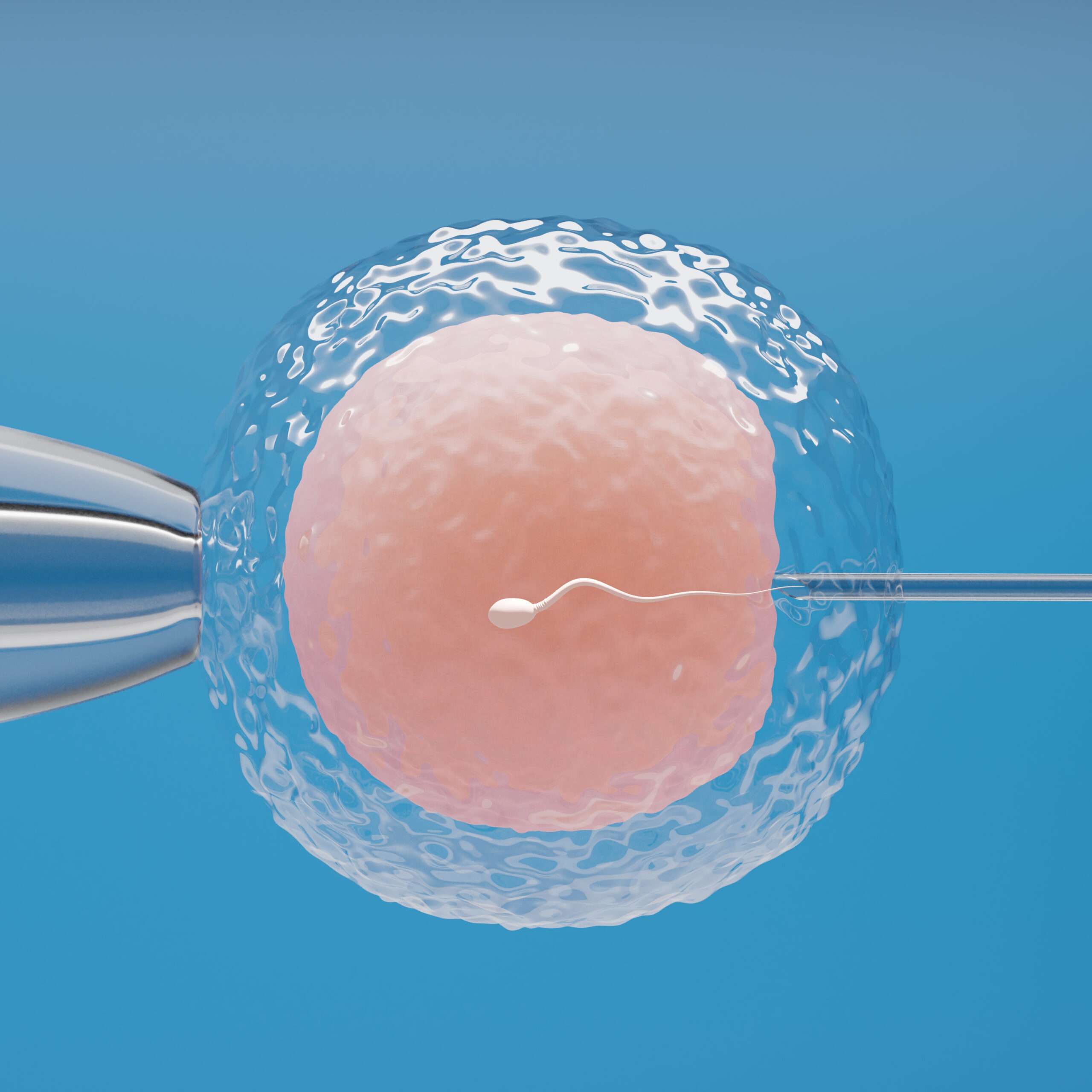
What Is IVF (In Vitro Fertilization)?
At Nulife IVF Clinic in Seawoods, Navi Mumbai, we provide IVF care tailored to each patient’s unique circumstances. Our team combines clinical expertise with advanced laboratory technology, ensuring that every step of the IVF journey,from evaluation to embryo transfers are conducted with precision, compassion, and attention to detail. Patients also benefit from a supportive environment, where emotional well-being is prioritized alongside clinical success.
Choosing a fertility clinic is a deeply personal decision, and Nulife IVF Clinic is committed to offering clarity, comfort, and confidence throughout your treatment journey. Our specialists are highly experienced in managing complex fertility cases, and our state-of-the-art embryology lab ensures that every embryo receives optimal care. From the first consultation to the final pregnancy test, patients are guided through every stage with clear explanations, personalized recommendations, and ongoing support.
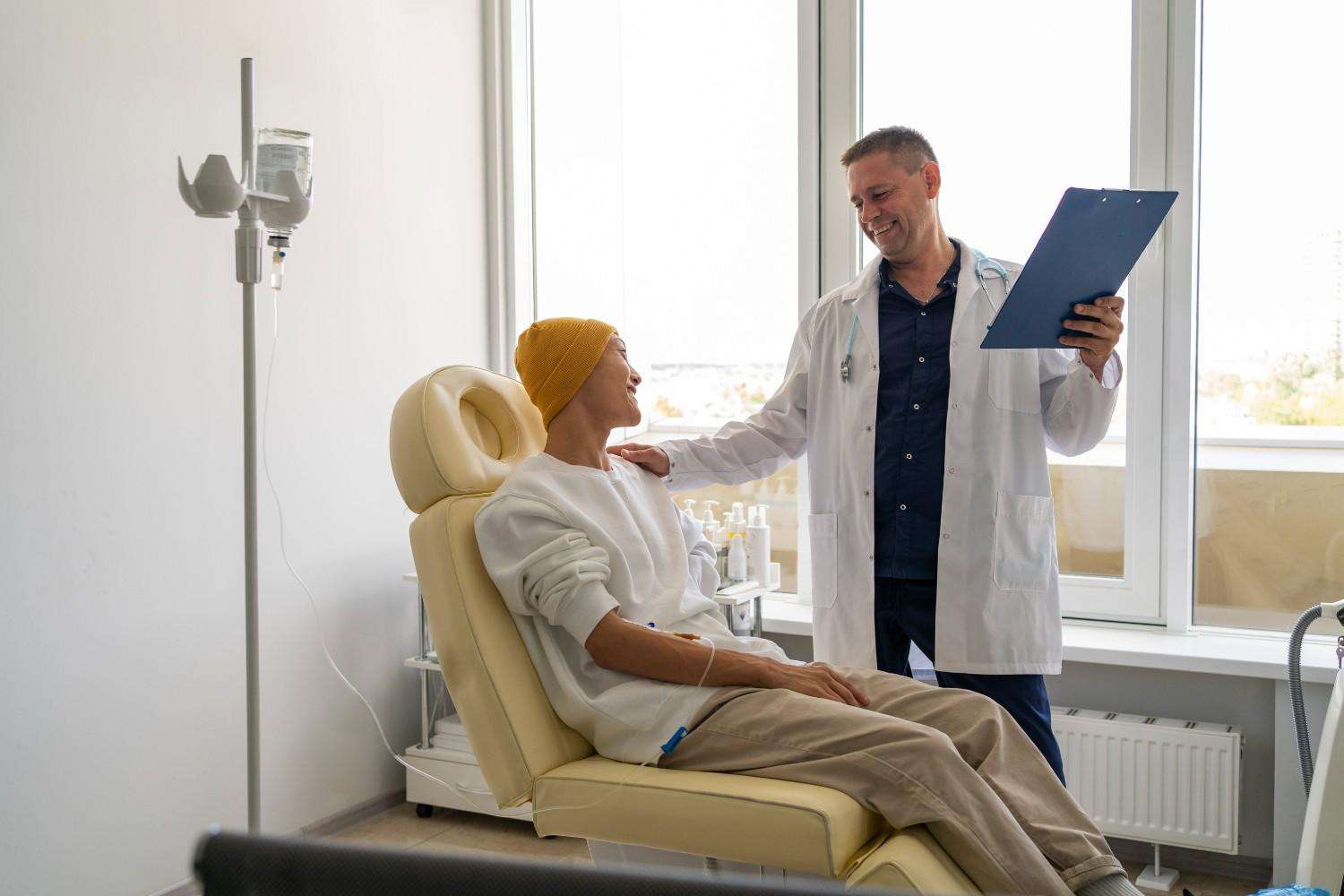
We understand that undergoing IVF can feel overwhelming, and we emphasize transparent communication, allowing patients to make informed decisions. Our patient-first philosophy ensures that medical expertise is complemented by emotional support, helping couples navigate the process with reassurance and understanding.
When Is IVF Recommended?
IVF is recommended for individuals and couples facing conditions that make natural conception difficult or unlikely. These may include:
Our fertility specialists conduct detailed assessments of both partners and recommend IVF only when it provides the most effective path to conception.
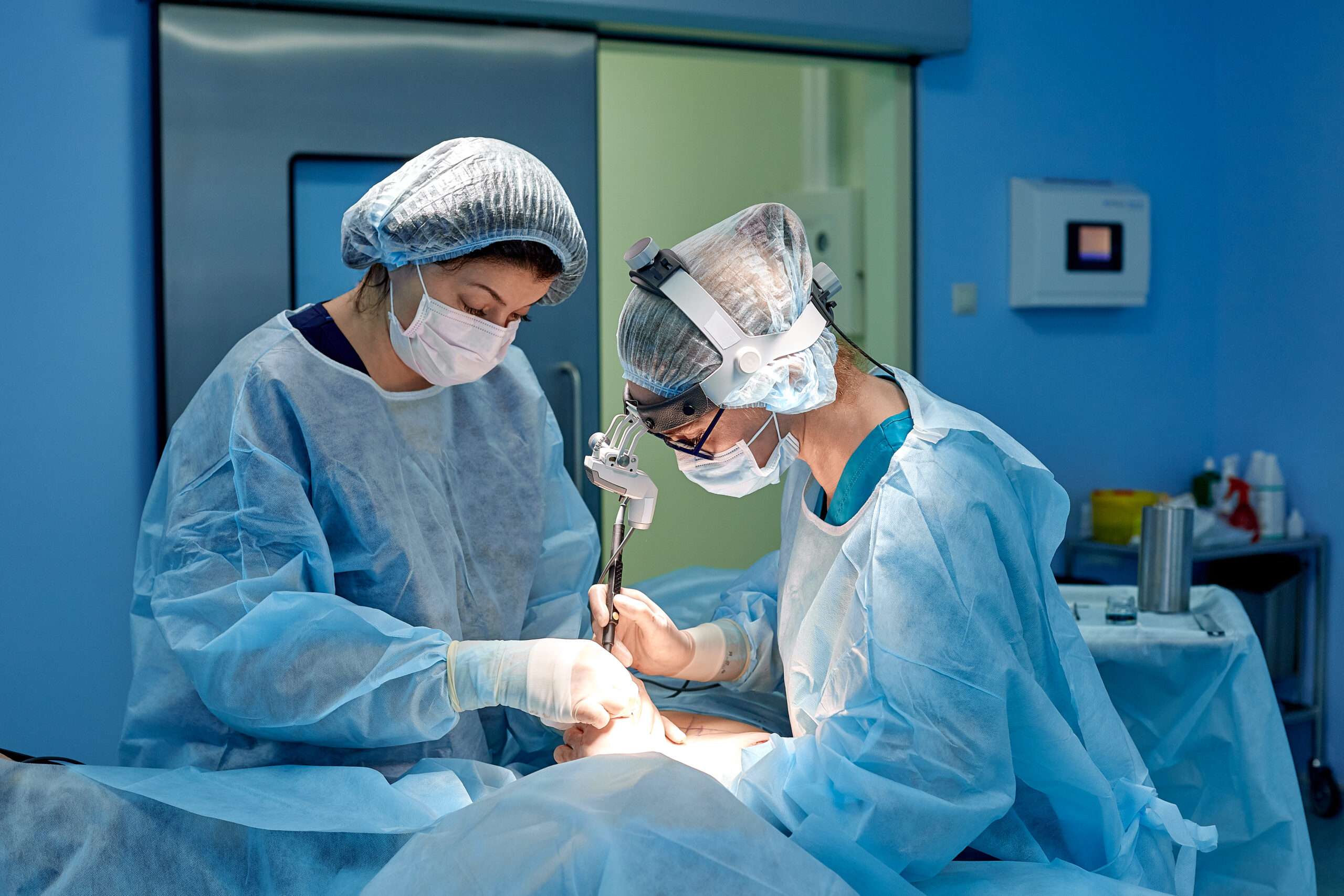
How the IVF Procedure Works at Nulife IVF Clinic
Success Rates of IVF
Success depends on factors such as age, egg quality, sperm quality, and overall reproductive health. Younger women generally have higher success rates, while advanced age or complex medical conditions may require additional support or specialized protocols. At Nulife IVF Clinic, individualized care, meticulous monitoring, and advanced lab conditions combine to optimize outcomes, offering patients the highest possible chance of pregnancy.
Benefits of IVF
IVF allows fertilization to occur in a controlled environment, which is especially helpful in cases of tubal blockage, severe male infertility, or unexplained infertility. The procedure can be combined with advanced techniques like ICSI, donor eggs or sperm, and preimplantation genetic testing (PGT) for couples with specific medical needs. IVF also enables fertility preservation through egg or embryo freezing, allowing patients to plan parenthood according to their life circumstances.
Fertility Treatment and Assisted Reproductive Techniques at Nulife IVF Clinic
Alongside IVF, Nulife IVF Clinic offers a comprehensive suite of fertility treatments options for patients facing medical conditions or delaying parenthood. This integrated approach ensures that every patient can access advanced reproductive care in one trusted clinic, with tailored strategies designed to maximize the chances of a successful pregnancy while prioritizing comfort, safety, and emotional well-being.
Our ART procedures include