nulifeivf.co.in

Sperm Retrieval (TESA, TESE, PESA, MESA) at Nulife IVF

Advanced surgical sperm retrieval techniques at Nulife IVF Clinic helping men with azoospermia or severe sperm problems.

What Is Sperm Retrieval?

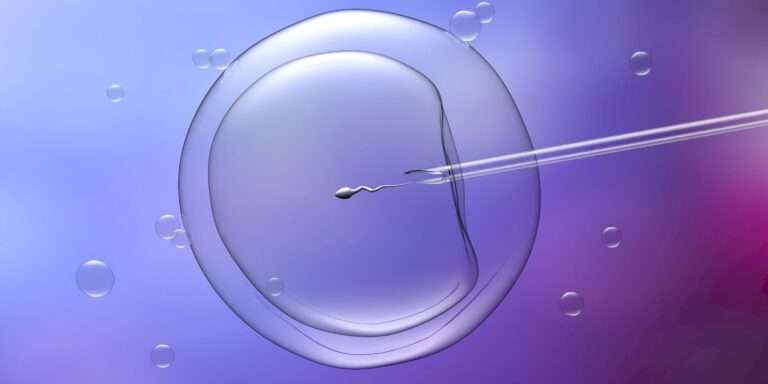
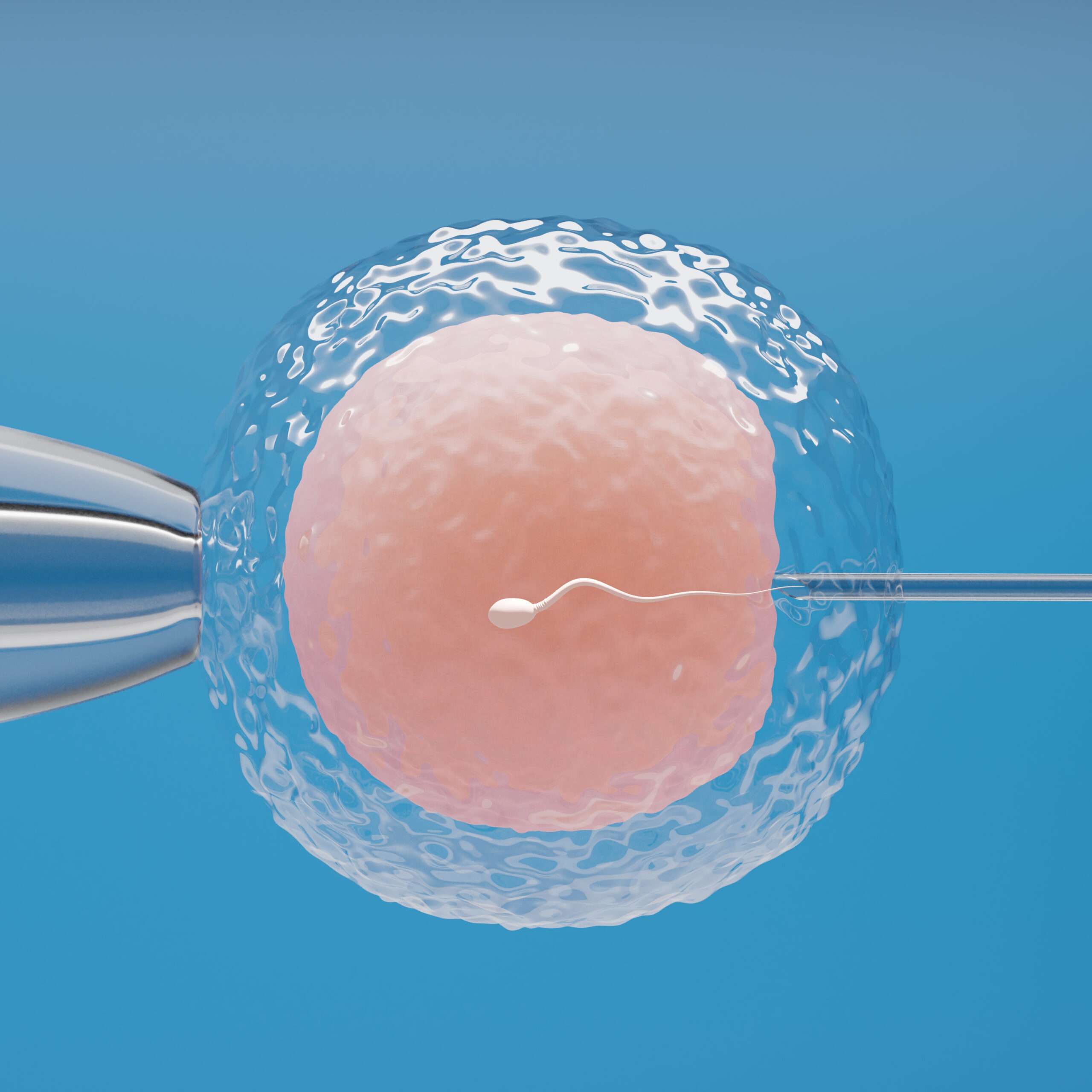
Sperm retrieval refers to a set of minimally invasive procedures designed to collect viable sperm directly from the testicles or epididymis when sperm is absent in the ejaculate. This condition, known as azoospermia, can be caused by a blockage in the reproductive tract, prior vasectomy, or severely reduced sperm production. Sperm retrieval allows men who would otherwise be unable to father children naturally to achieve biological parenthood.

At Nulife IVF Clinic in Seawoods, Navi Mumbai, we use modern microsurgical techniques such as TESA (Testicular Sperm Aspiration), TESE (Testicular Sperm Extraction), PESA (Percutaneous Epididymal Sperm Aspiration), and MESA (Microsurgical Epididymal Sperm Aspiration). These procedures are performed by highly experienced male fertility specialists and embryologists, ensuring maximum sperm recovery with minimal discomfort.

Why Choose Nulife IVF Clinic for Sperm Retrieval in Navi Mumbai

Types of Sperm Retrieval Procedures

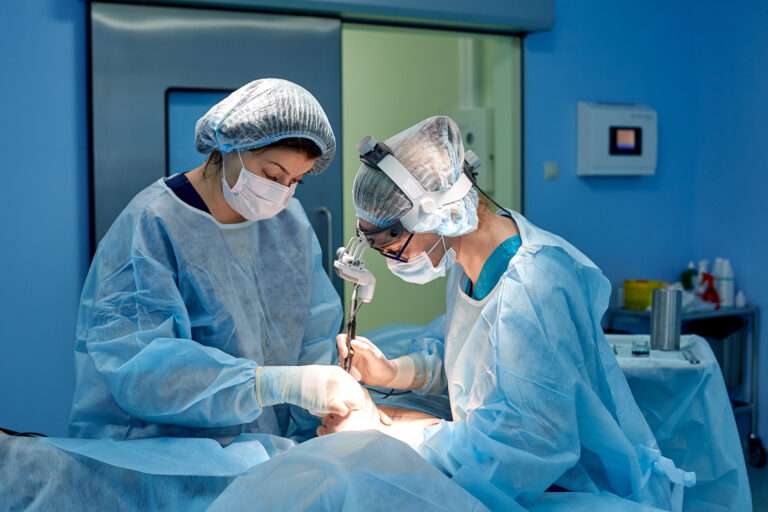
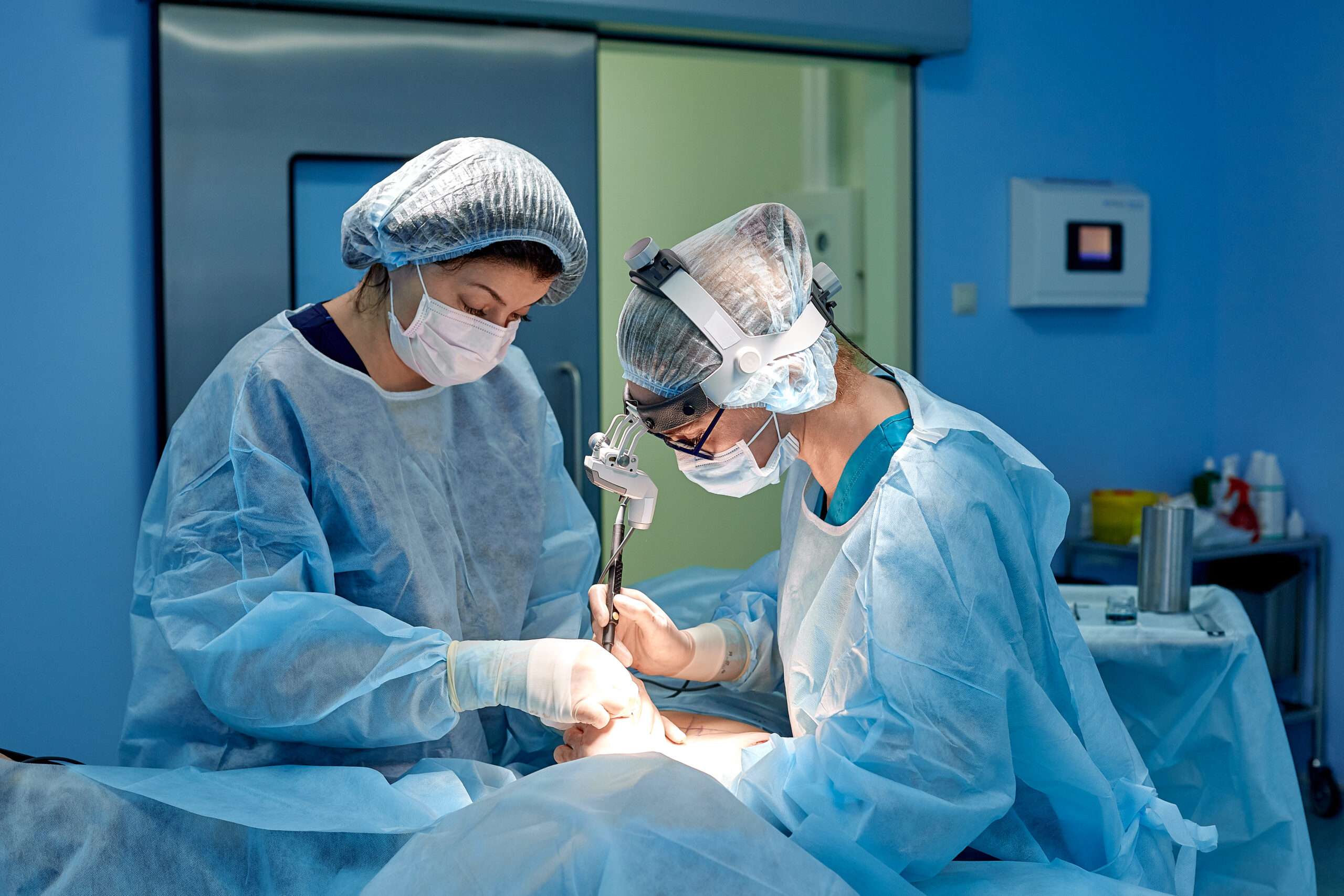
All these procedures are typically performed as day-care surgeries. Patients can usually return home the same day, and recovery is generally quick with minimal discomfort.

When Is Sperm Retrieval Recommended?

Sperm retrieval is advised in the following situations:

Success Rates and Benefits

The success of sperm retrieval depends on the underlying condition and the technique used. At Nulife IVF Clinic, many men with azoospermia have successfully fathered children through retrieved sperm combined with ICSI.

Key benefits include:

Our Process at Nulife IVF Clinic

Sperm retrieval offers hope to men with no sperm in their ejaculate, allowing them to achieve biological parenthood. At Nulife IVF Clinic, our expertise, advanced lab facilities, and patient-centered approach ensure a safe, effective, and supportive experience. By combining microsurgical techniques with state-of-the-art ART procedures, we maximize the chances of conception while prioritizing comfort, privacy, and overall reproductive health.

Our Specialities

Edit Template
Edit Template
Edit Template

Success Stories from Our Patients

Couples share their journey to parenthood with Nulife IVF Clinic.

I consulted Dr. Priyal for a IVF issue I had been anxious about for months, and I’m so glad I did. She made a sensitive topic easy to talk about...

Aishwarya Kale

First of all I would like to thank Dr. Grishma for being so friendly and optimistic towards her patients. She is one of the best gynac...

Saurabh Gupta

Excellent doctor... Appropriate treatment for my mom's burn wound... Very helpful n friendly doctor... Thank you ❤️🙏

Ankita Sawant

I had the privilege of being treated and operated on by Dr. Priyal and the experience was exceptional from start to finish. The surgery was performed with…

Shivam Shrivastava

Frequently Asked Questions About Sperm Retrieval

1. What is the difference between TESA, TESE, PESA, and MESA?

 TESA and TESE involve collecting sperm directly from the testicles. TESA uses a needle to aspirate small tissue samples, while TESE performs a minor biopsy to extract tissue. PESA and MESA collect sperm from the epididymis; MESA is performed under a surgical microscope, allowing precise retrieval with minimal tissue damage. The choice depends on sperm production, obstruction type, and prior procedures.

2. Is sperm retrieval painful?

The procedures are performed under local or short general anesthesia, ensuring minimal discomfort during the process. Afterward, mild soreness, swelling, or bruising may occur, which typically resolves in 1–2 days. Pain management and post-procedure guidance are provided to ensure a comfortable recovery.

3. Who needs sperm retrieval?

 Sperm retrieval is recommended for men with azoospermia (no sperm in ejaculate), obstructed ducts due to vasectomy or congenital conditions, severely low sperm count, or those who have undergone unsuccessful fertility treatments. It is also advised when sperm is required for IVF/ICSI but cannot be obtained naturally.

4. Can retrieved sperm be used for natural conception?

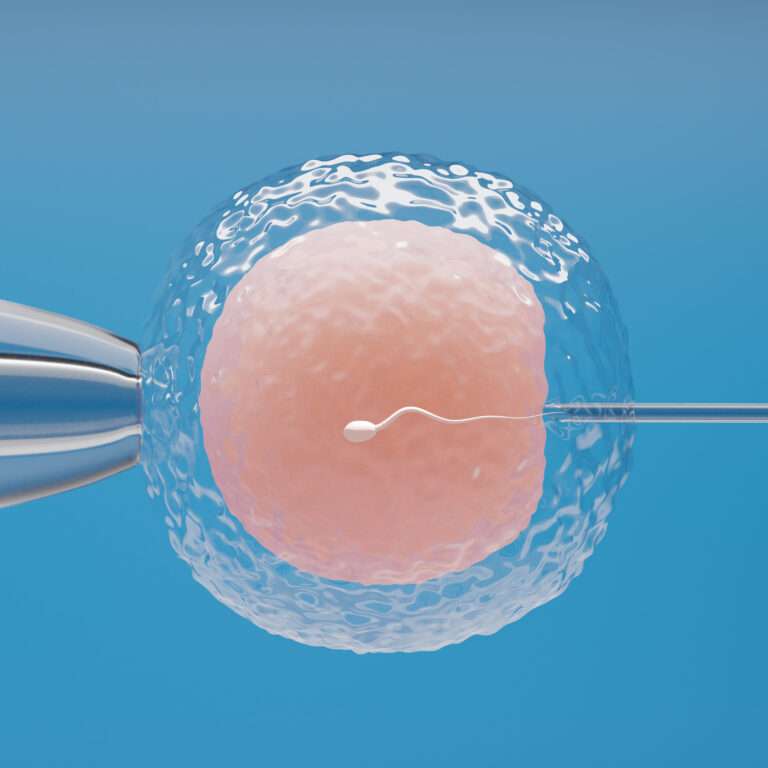
 No. Retrieved sperm often have limited motility and are collected directly from the testicle or epididymis. These sperm are not suitable for natural conception and are instead used with ICSI or IVF procedures to fertilize eggs in a laboratory setting.

5. How soon can I try for pregnancy after retrieval?

 If eggs are available on the same day, fertilization via ICSI can proceed immediately. Otherwise, sperm can be cryopreserved and used in future IVF/ICSI cycles, providing flexibility and avoiding the need for repeated surgical procedures.

6. What are the risks of sperm retrieval?

 Sperm retrieval is generally safe. Minor complications include local swelling, bruising, or temporary discomfort. Rarely, infection, bleeding, or hematoma may occur, but these are usually manageable with standard medical care. Your specialist monitors recovery to minimize risks.

7. Is sperm retrieval successful in all cases?

 Success depends on the underlying cause of azoospermia and testicular health. Obstructive azoospermia has higher retrieval success compared to non-obstructive cases. Your fertility specialist will assess testicular function, prior procedures, and overall health to provide realistic expectations for sperm retrieval outcomes.

8. Can sperm be frozen after retrieval?

 Yes. Cryopreservation allows retrieved sperm to be stored for future use, enabling multiple IVF/ICSI cycles without repeating surgery. This is particularly useful when coordinating with egg retrieval or preserving fertility before medical treatments that may affect sperm production.

9. Will sperm retrieval affect testosterone production?

 No. Only small amounts of tissue are removed during TESA, TESE, PESA, or MESA. In most cases, testicular function and testosterone levels remain normal. Regular monitoring ensures hormone levels stay within healthy ranges post-procedure.

10. Can sperm retrieval help after chemotherapy or cancer treatment?

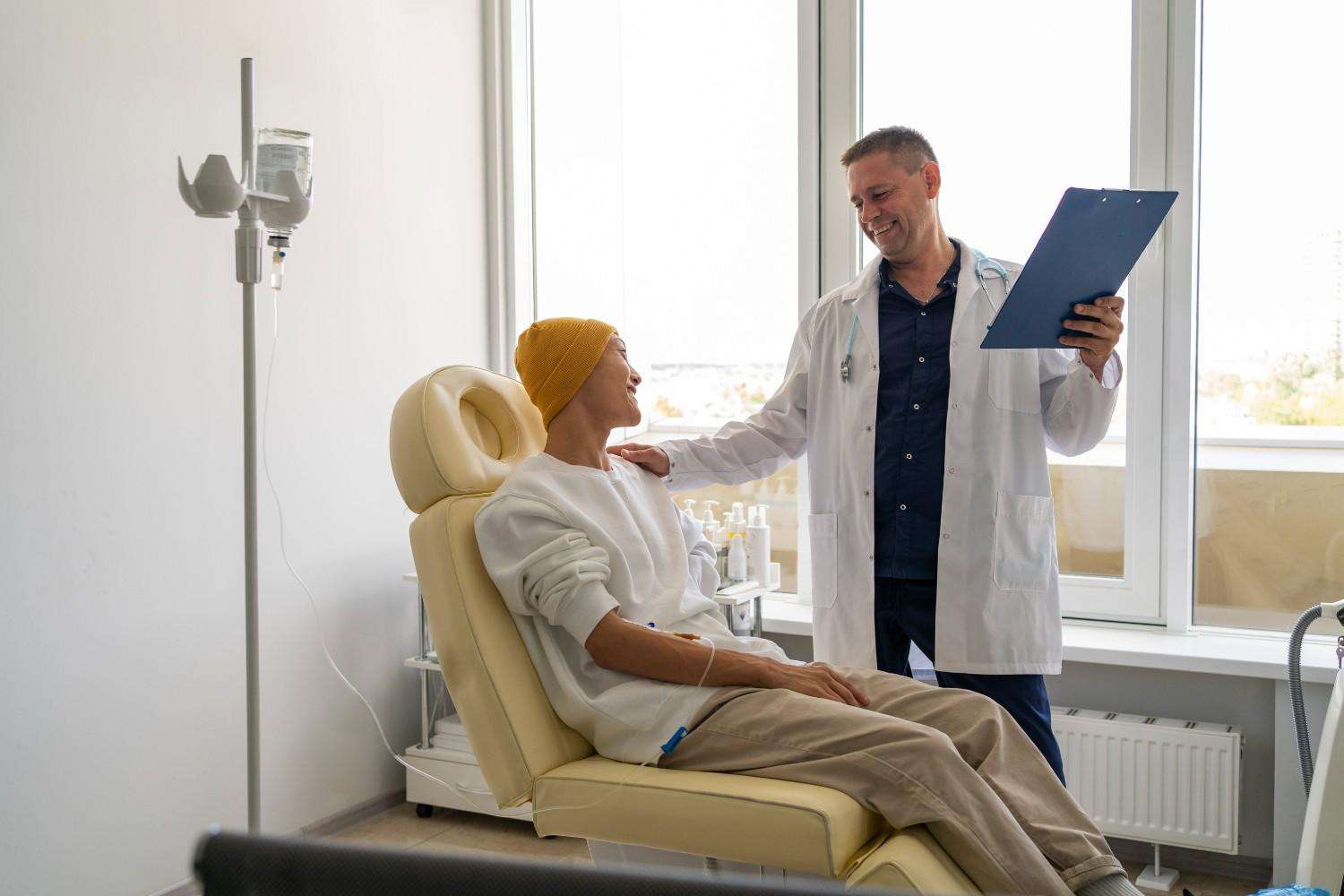
 Yes. If some sperm-producing cells remain in the testes, techniques like TESA or TESE can retrieve viable sperm, even after chemotherapy or radiotherapy. Cryopreservation may also be offered before treatment as a preventive measure for fertility preservation.

11. How long is recovery time?

 Recovery is generally quick. Most men resume light activities or office work within 24–48 hours. Strenuous exercise or heavy lifting should be avoided for 1–2 weeks. Pain or discomfort typically subsides within a few days, and follow-up consultations ensure proper healing.

12. Are there alternatives if no sperm is found?

Yes. If retrieval is unsuccessful, options such as donor sperm for ICSI or IVF, adoption, or fertility counseling can be considered. Our specialists provide personalized guidance and emotional support to explore the best possible path to parenthood.

Book Your Consultation for Male Fertility Treatment at Nulife IVF Clinic

At Nulife IVF Clinic, Seawoods, Navi Mumbai, our team combines advanced surgical skills, embryology expertise, and supportive counseling to help men with complex fertility challenges. Using TESA, TESE, PESA, or MESA, we aim to provide the best chance at achieving fatherhood.

Your Guide to Advanced Male Fertility Care at Nulife IVF Clinic

Explore sperm retrieval, ICSI, and other ART options designed to help men achieve successful parenthood.

Get in Touch with Our Fertility Experts!

Contact Us for Appointments and Consultations

Book Your Appointment

Get in Touch with Seawoods Hospital,
Navi Mumbai

Contact Form Demo

Book Your Consultation With Nulife IVF Clinic

Share your details and our team will help you schedule an appointment with Navi Mumbai's best IVF Clinic

Campaign form