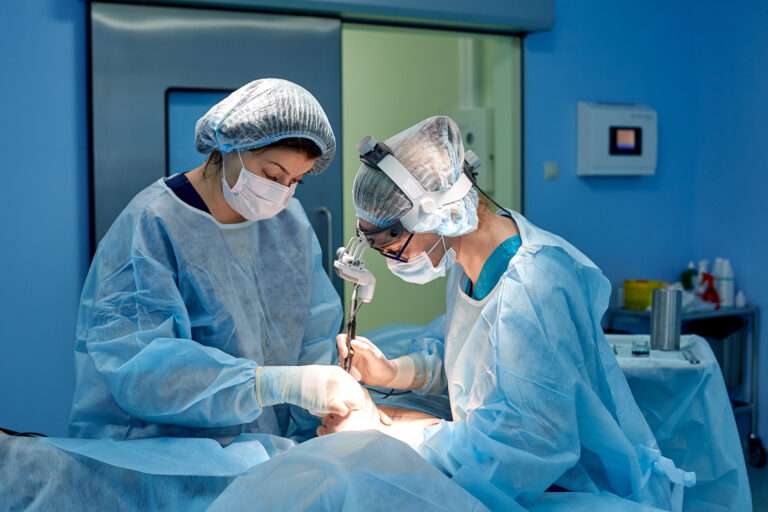
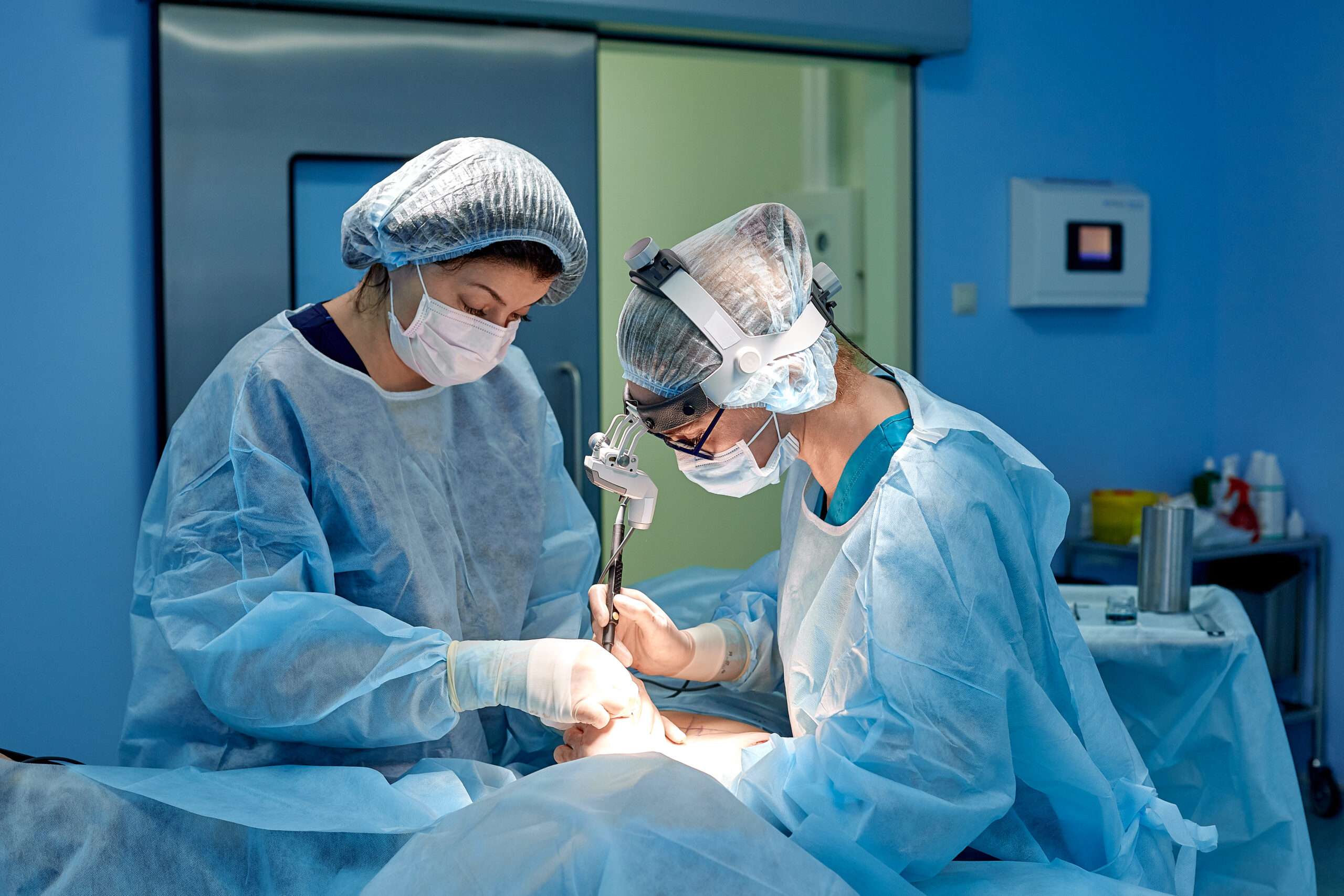
Tuboplasty is a surgical procedure to repair or unblock fallopian tubes. The fallopian tubes carry eggs from the ovaries to the uterus; if they’re blocked or damaged, fertilisation becomes difficult or impossible.
I consulted Dr. Priyal for a IVF issue I had been anxious about for months, and I’m so glad I did. She made a sensitive topic easy to talk about...
A tubal block happens when one or both fallopian tubes are partially or fully closed, stopping the egg from meeting sperm. This prevents natural fertilisation and is a common cause of female infertility. The blockage can be due to scar tissue, infection, endometriosis, or prior surgery.
Most women don’t notice any symptoms. Diagnosis is made through tests like Hysterosalpingography (HSG), Sonohysterography, or a diagnostic laparoscopy. Your fertility specialist will explain which test is best for you based on your medical history and fertility goals.
Tuboplasty is a microsurgical or laparoscopic procedure to open, repair, or reconstruct fallopian tubes. Surgeons remove scar tissue, create new openings, or join healthy sections of the tube. The goal is to restore normal structure and allow eggs to travel from the ovary to the uterus.
No, tuboplasty is done under general or spinal anaesthesia, so you won’t feel any pain during the procedure. Afterward, you may feel mild abdominal discomfort or soreness for a few days, which can be managed easily with prescribed pain relief.
Most patients can resume light activities within 3–5 days. Full recovery and return to strenuous work or exercise usually take about 2–3 weeks. Your doctor will guide you on wound care, pain management, and when to start trying for pregnancy.
Success depends on your age, the health of your tubes, and other fertility factors. Many women conceive naturally within 6–12 months after the procedure. Early evaluation and proper follow-up improve success rates.
If healing goes well and there’s no new infection or scar tissue, the tubes often stay open for years. It’s best to try for pregnancy soon after recovery since fertility outcomes are highest in the first year.
Tuboplasty is safe when performed by an experienced specialist, but like any surgery, there are small risks of bleeding, infection, or scar tissue forming again. A slightly increased risk of ectopic pregnancy exists, so early ultrasound is recommended once you conceive.
Yes, during the same laparoscopic or microsurgical procedure, your doctor can evaluate and repair both tubes if needed. Treating both sides at once helps improve your chances of conceiving naturally.
If you don’t conceive within 6–12 months, your specialist may advise further tests or assisted reproductive techniques like IUI or IVF, depending on your overall fertility health.
Most women can start trying naturally after one or two menstrual cycles, once the tubes have healed and your doctor confirms everything looks good. Starting early helps make the most of your restored fertility.
Yes, we provide a complete post-surgery plan, including wound checks, healing assessments, and fertility counselling. Our team supports you through recovery, conception attempts, and beyond, ensuring you feel confident and informed at every stage.
Get in Touch with Seawoods Hospital,
Navi Mumbai