What Is Varicocelectomy and Why Is It Done?
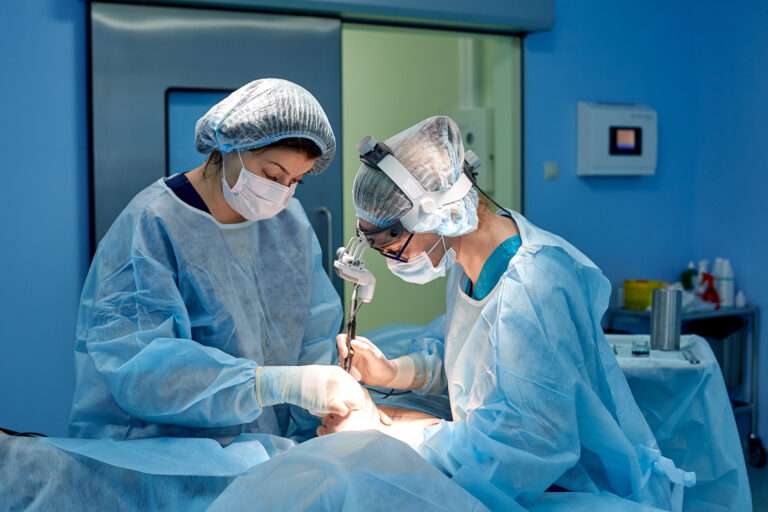
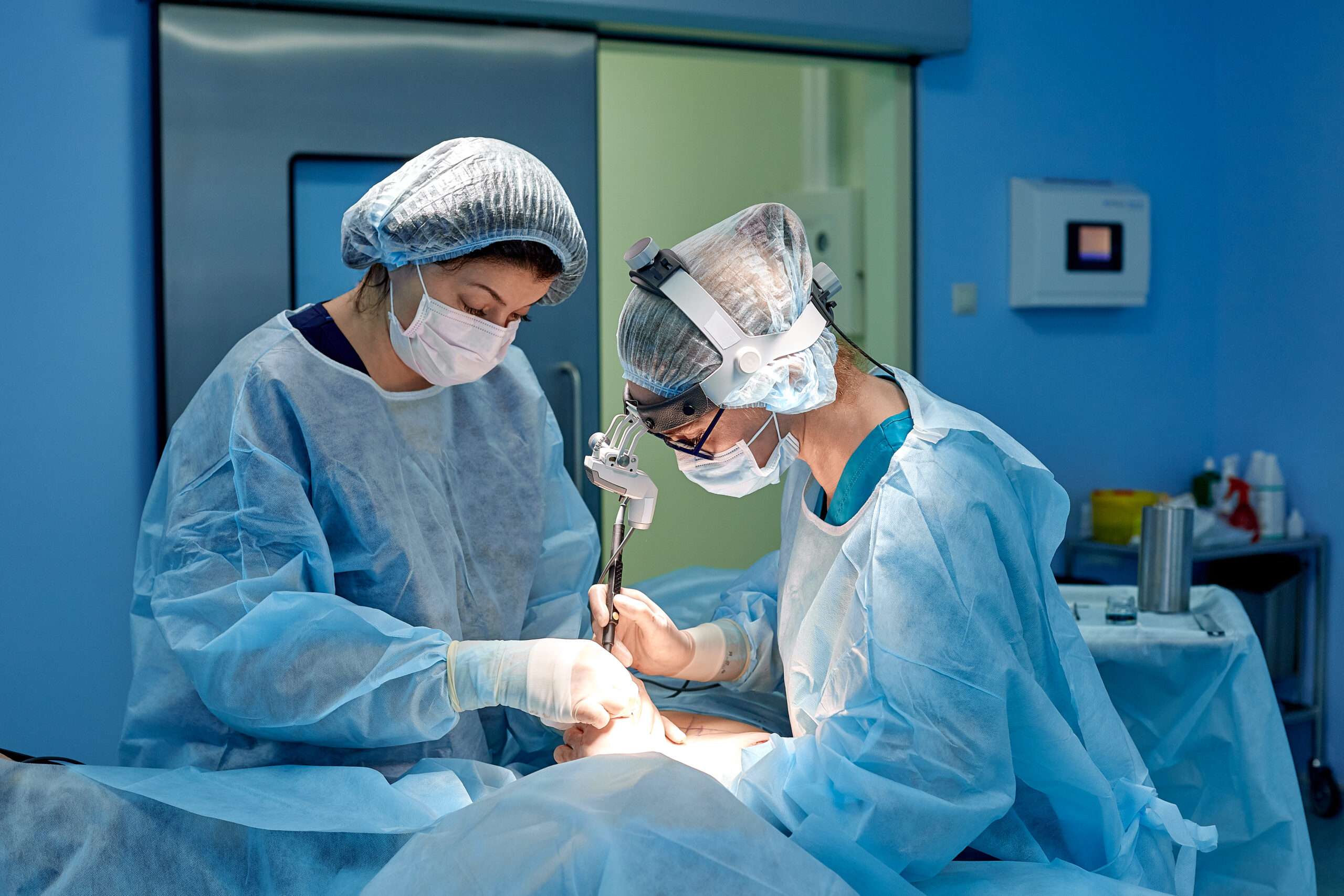
The procedure involves tying off or sealing the affected veins, redirecting blood through healthy vessels. Varicocelectomy is done to:
By addressing the root cause of vein enlargement, varicocelectomy not only eases symptoms but can also enhance reproductive potential, making it a key treatment for men facing fertility challenges related to varicoceles.
Why Choose Nullife IVF Clinic for Varicocelectomy Treatment in Navi Mumbai?
Varicocelectomy Work-Up in Seawoods, Navi Mumbai
A thorough evaluation is crucial before deciding on surgery. At our clinic, the process includes:
Varicocelectomy Treatment Options at Nullife IVF Clinic
Depending on the severity, location, and patient preference, we offer several surgical options:
Post-Surgery Care and Recovery
Following varicocelectomy, patients are advised to:
Most men notice a gradual improvement in scrotal discomfort within days and may see positive changes in sperm parameters within three to six months, supporting fertility potential.
Assisted Reproductive Techniques (ART) After Varicocelectomy
While surgery can improve sperm quality, some couples may still require ART to achieve pregnancy. Options include:
IUI (Intrauterine Insemination): Healthy sperm are prepared and placed directly into the uterus during ovulation to increase chances of fertilization.
IVF (In Vitro Fertilization): Eggs are retrieved, fertilized in the laboratory, and healthy embryos are transferred into the uterus.
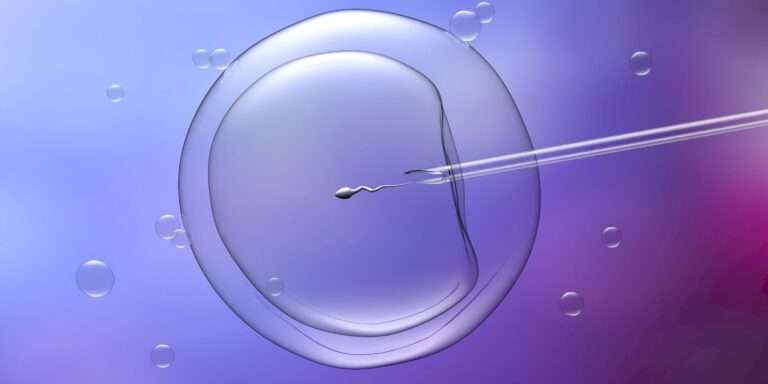
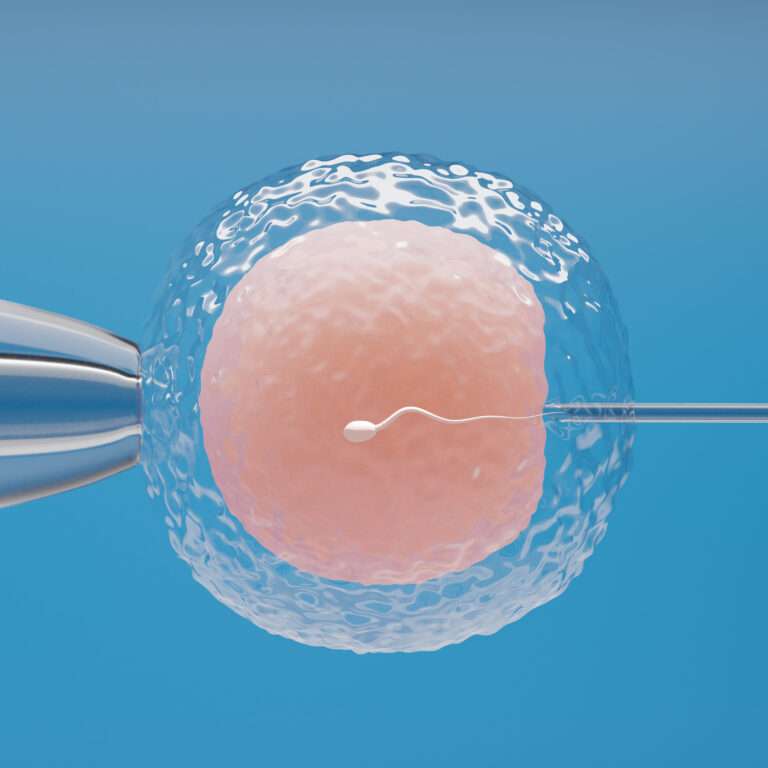
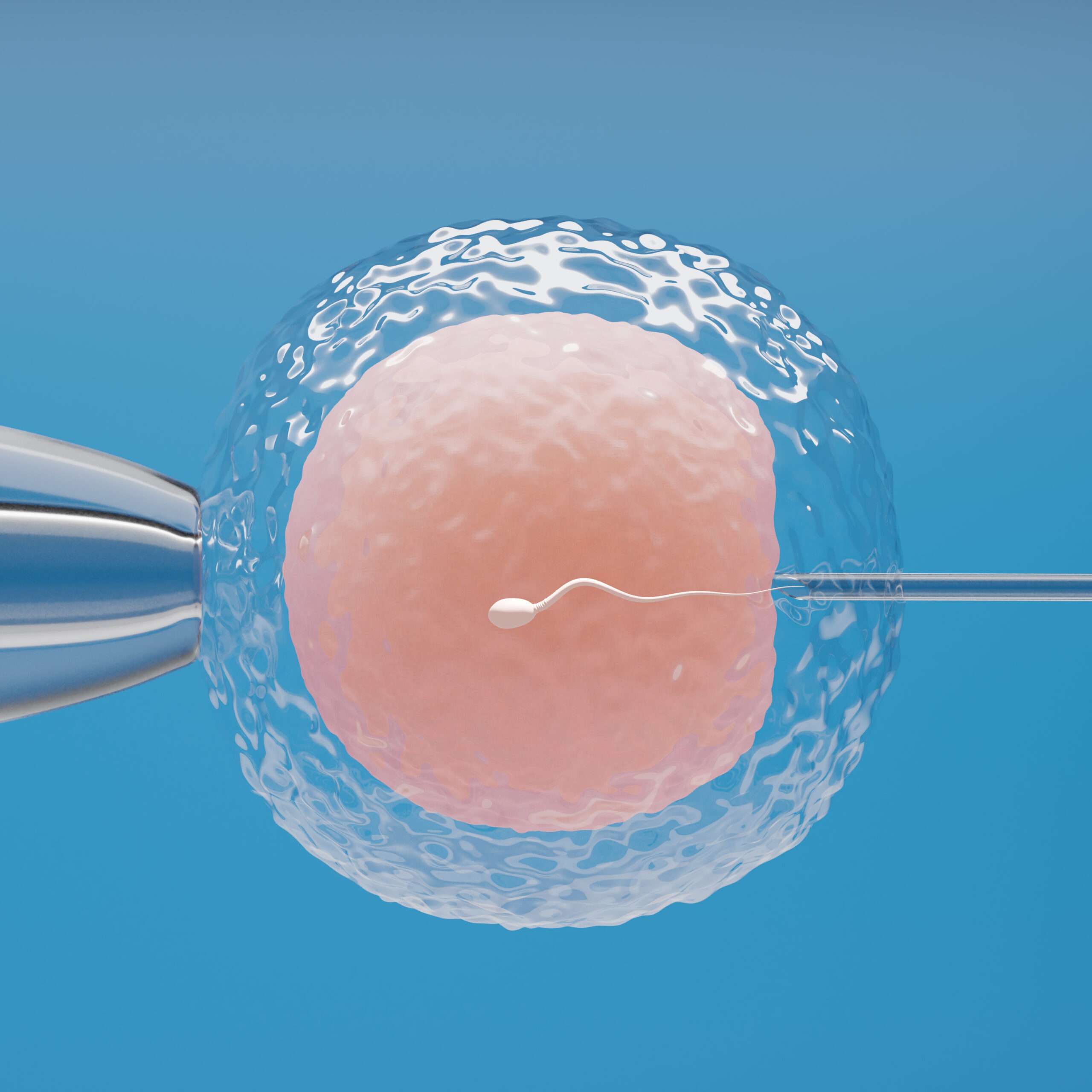
ICSI (Intracytoplasmic Sperm Injection): A single sperm is injected into an egg, which is particularly helpful in severe male infertility cases or after poor response to varicocelectomy.
Surgical Sperm Retrieval (TESA, TESE, PESA, MESA): If sperm is absent in semen despite surgery, advanced techniques allow direct collection from the testes or epididymis for use in IVF or ICSI.
Our fertility team integrates surgical outcomes with ART planning to provide a complete, personalized pathway toward parenthood.
Varicocelectomy at Nullife IVF Clinic offers a precise, effective solution for men experiencing varicoceles, discomfort, or fertility issues. Combined with a comprehensive evaluation, expert surgical techniques, and access to ART when necessary, our approach maximizes the potential for improved sperm quality and successful conception. With personalized support, modern facilities, and a skilled multidisciplinary team, patients receive high-quality care every step of the way.