
Everything you need to know about freezing sperm and how much it costs
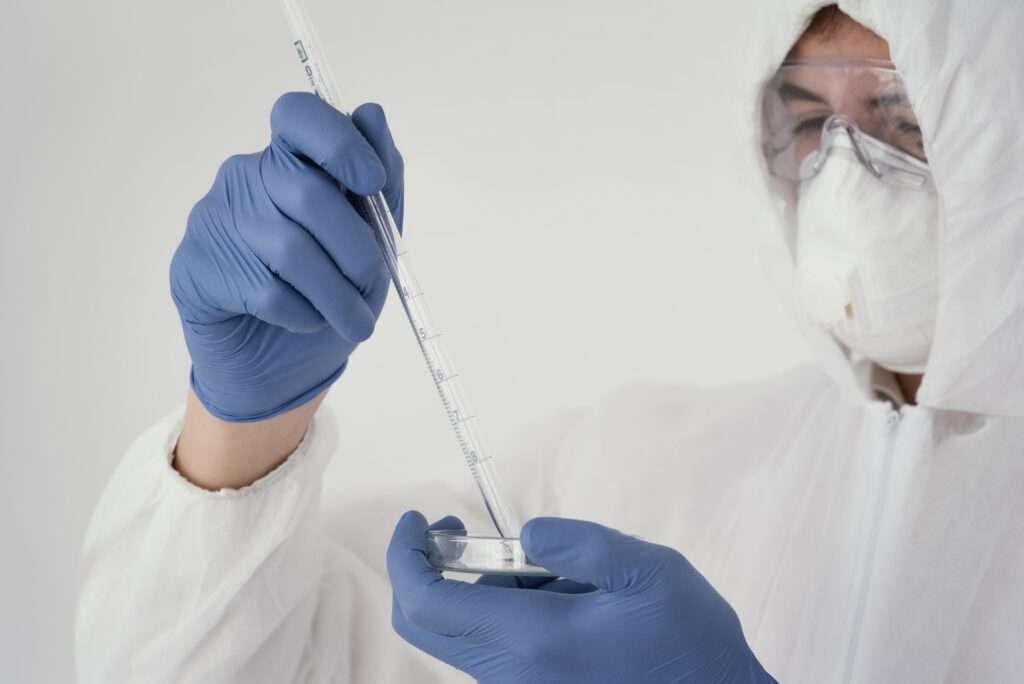
Everything you need to know about freezing sperm and how much it costs For a long time, conversations about fertility planning have centered almost entirely on women. However, contemporary data shows that male reproductive health requires just as much attention. In India, around 15 to 20 percent of couples grapple with fertility challenges, and male factors are now responsible for nearly 40 to 50 percent of these cases. A combination of environmental toxins, high stress, and delayed parenthood has led to a noticeable rise in male fertility concerns across the country. Read More Book An Appointment Sperm freezing provides a highly effective and simple safety net for men looking to secure their reproductive future. Whether you are facing a medical treatment like chemotherapy, preparing for a surgery, or simply choosing to delay fatherhood, this process keeps your options open. This guide will walk you through exactly how sperm freezing works, what it costs in India, and how long your sample can safely remain in storage. What is Sperm Freezing and How It Works Sperm freezing is a safe medical method that lets men save their reproductive cells for the future. The technical term for this is cryopreservation. The main goal is to protect your cells so you can use them later in treatments like artificial insemination or IVF. The science behind it is actually quite simple. Once you give a fresh sample, lab experts check it under a microscope. Then they mix the cells with a special protective fluid. This fluid stops dangerous ice crystals from forming, which would otherwise tear the cells apart. Next, the sample is divided into multiple tiny straws. This is done so you only defrost what you need for one try, leaving the rest safe. Finally, the straws go into tanks filled with liquid nitrogen at a freezing temperature of minus 196 degrees Celsius. At this point, the cells enter a deep sleep where they do not age at all. Who Should Consider Freezing Their Sperm Many men think about this option only when they face serious fertility issues, but it actually serves as an excellent safety net for many different life situations. The most common reason is medical. Treatments like chemotherapy or radiation for cancer can permanently damage your ability to produce healthy cells. Freezing a sample before these therapies start ensures you still have a chance to build a family later. Others choose it before undergoing surgeries on the reproductive system, such as a vasectomy. If you change your mind later, you have a backup ready. Men with dangerous jobs, like those in the military, also use it for peace of mind. Lastly, since cell quality naturally drops as you age, younger men often freeze their samples to use when they are older. If you are looking for advanced fertility care in Navi Mumbai, clinics in the area offer personalized testing to see if banking your cells is the right path for your current life stage. The Step by Step Sperm Freezing Process The actual journey from entering a clinic to storing your sample is fast and straightforward. It usually takes less than two weeks to complete everything. The Initial Check: First, you will meet with a doctor to discuss your medical history and complete legal forms. You will also take routine blood tests to check for infections like HIV or hepatitis. Giving the Sample: You will be asked to produce a sample in a private room at the clinic. This is usually done through masturbation without using any regular lotions or condoms, as those can harm the cells. Lab Assessment: The lab team immediately tests the fluid for count and movement. If the numbers look good, they add the protective liquid. Deep Freeze: The sample is placed into the labeled straws and cooled down rapidly. It then goes into the liquid nitrogen tanks for long term storage. For those seeking comprehensive fertility care in Navi Mumbai, local laboratories are fully equipped to handle each of these steps with complete privacy and care. How to Prepare for Your Clinic Appointment Getting your body ready before your visit can make a massive difference in the quality of the sample you provide. The most important rule is timing. Doctors recommend that you avoid any ejaculation for two to seven days before your appointment. This specific window allows your body to build up a high count of active cells. Your daily habits also play a major role because new cells take about three months to mature. It is highly beneficial to eat a balanced diet full of vitamins, stay well hydrated, and manage your stress levels. You should completely avoid alcohol and smoking for at least a few days before your visit. If you want to get a detailed assessment of your reproductive health, visiting a specialist for IVF in Navi Mumbai can give you clear guidance on the exact lifestyle changes that will improve your sample before the freeze. Understanding the Risks and the Easy Recovery One of the best things about this procedure is that it is completely safe and requires no downtime. Because there are no needles, surgeries, or heavy medications involved, you can return to your normal daily routine almost immediately. Most men experience a fast recovery with no physical pain at all. You might feel a little tired or have mild discomfort on the first day, so taking it easy for 24 hours is a smart choice. The main medical risk is not physical, but practical. There is always a chance that a sample might not have enough active cells to freeze successfully. There is also a small risk that some cells might get damaged during the freezing or thawing process, which is why specialists who handle IVF in Navi Mumbai often suggest storing more than one sample just to be safe. How Long Frozen Sperm Can Last and Storage Rules Biologically speaking, frozen cells can last almost indefinitely. Because the liquid nitrogen keeps them in a complete state of
Why Am I Not Getting Pregnant? The Real Reasons Behind Female Infertility
Why Am I Not Getting Pregnant? The Real Reasons Behind Female Infertility Facing difficulties getting pregnant can feel incredibly isolating and overwhelming. When month after month passes without a positive result, it is perfectly normal to feel anxious or start blaming yourself. The most important thing to know right now is that female infertility is a medical condition and absolutely not a personal failure. Read More Book An Appointment Millions of women navigate this difficult path every single year. Understanding the real medical reasons behind fertility challenges is the first empowering step toward finding the right solution. To truly grasp what might be happening, it helps to follow the natural journey of a pregnancy, from the moment an egg is released to the moment it implants. By looking at each step of this journey, we can see exactly where things might get paused and how modern medicine can help you move forward. Problems With Ovulation When Your Body Does Not Release An Egg Every successful pregnancy begins with ovulation. This is the process where one of your ovaries releases a healthy, mature egg. If there is a disruption at this very first stage, the rest of the journey cannot happen. This makes ovulation disorders one of the most common reasons women struggle to get pregnant worldwide. Polycystic Ovary Syndrome This is a very common hormone imbalance that disrupts the ovulation process. In a normal cycle, an egg grows inside a small fluid filled sac and then bursts out. With this syndrome, the hormones are unbalanced, so the eggs might not mature fully or release properly. Women dealing with this often have irregular periods, but it is highly treatable with simple lifestyle changes and oral medications. Early Menopause or Ovarian Insufficiency Sometimes, a woman’s ovaries stop working properly earlier in life than expected, usually before the age of forty. This means the ovaries are not releasing eggs regularly. While this diagnosis can be emotionally tough, fertility specialists have excellent treatments, including advanced therapies or using donor eggs, to help you achieve a healthy pregnancy. Thyroid and Hormone Imbalances Your brain and your ovaries talk to each other using hormones to trigger ovulation. If you have conditions that affect your thyroid gland, this delicate communication system gets scrambled. When the brain fails to send the right hormonal signals, the ovaries will not release an egg. Correcting the underlying thyroid issue often restores your natural rhythm. Blocked Tubes And Uterus Issues What Stops The Egg And Sperm From Meeting Once the ovary successfully releases an egg, that egg needs a clear and safe path to travel. Sometimes the egg is released perfectly, but physical roadblocks prevent it from meeting the sperm or implanting safely in the uterus. Blocked Fallopian Tubes Think of your fallopian tubes as the vital highways connecting your ovaries to your uterus. The sperm must travel up this highway to meet the egg. If these tubes are damaged or blocked by scar tissue from past infections, the sperm simply cannot reach the egg to fertilize it. Endometriosis The uterus is lined with a specific type of tissue that sheds every month. Endometriosis happens when tissue that acts just like this lining starts growing outside the uterus. This rogue tissue can cause severe inflammation and physical blockages that stop an egg and sperm from safely meeting along their journey. Fibroids and Uterine Polyps These are common, noncancerous growths that appear inside the uterus. Depending on how big they are, they can act like physical barriers. They might make it difficult for a fertilized embryo to attach securely to the uterine wall. If they cause issues, a doctor can perform a minor surgery to quickly clear the path. Does Age Really Affect Egg Quality And Pregnancy Chances Even if the egg releases perfectly and the physical path is completely clear, the natural quality of the egg itself plays a major role in fertility. Unlike men who constantly produce new sperm, women are born with all the eggs they will ever have. As the years pass, especially after age thirty five, both the quantity and the genetic quality of those resting eggs naturally decline. This simply means it might take a few more months to find a completely healthy egg capable of forming a strong embryo. This is not a disease, but rather a completely natural biological process. Modern fertility treatments are specifically designed to help women overcome this hurdle safely and efficiently. Unexplained Infertility What Happens When All Your Tests Are Normal Sometimes you might go through all the testing, and your doctor finds that your ovulation is normal, your tubes are clear, and your egg quality looks great on paper. Yet, pregnancy still does not happen. This is known as unexplained infertility. Hearing this can feel like hitting a wall, but it does not mean there is no reason for your struggle. It simply means that current standard medical tests are not sensitive enough to see the microscopic issue at play. It also does not mean you cannot get pregnant. Many couples with unexplained infertility go on to have beautifully successful pregnancies with the help of customized treatments that give nature a gentle boost. When To See A Fertility Doctor And Take The Next Step When you understand how all these interconnected parts work together, reading through a list of medical conditions feels a little less intimidating. Naming the specific problem is the most crucial part of solving it. If you are under thirty five and have been trying to conceive for a full year, or if you are over thirty five and have been trying for six months, it is time to consult a fertility specialist. Modern reproductive medicine is incredibly advanced. With accurate testing and a compassionate medical team, the vast majority of fertility hurdles can be successfully managed and overcome. Frequently Asked Questions About Female Infertility What are the very first signs that I might be infertile The most obvious sign is simply the inability to get
Is Delaying Pregnancy Affecting Your Fertility?

Is Delaying Pregnancy Affecting Your Fertility? Balancing career goals, financial stability, and personal growth often means that modern couples wait a little longer to start a family. Delaying parenthood is a very common and completely valid choice today. However, early fertility awareness is incredibly crucial. You might wonder how age naturally impacts reproductive health and if waiting will make it harder to conceive later. Let us explore the honest truth about Delayed Pregnancy Fertility and how you can proactively protect your future options. Read More Book An Appointment The Reality of Fertility After 30 What Actually Happens We often hear people talk about the biological clock, but it is much better to understand it in simple, non threatening terms. Fertility naturally peaks when a woman is in her twenties. As time passes, the body goes through gentle biological changes. Here is a deeper look at what actually happens inside your body as you enter your thirties. The Natural Egg Reserve: Unlike men who constantly produce new sperm, a woman is born with all the eggs she will ever have. By the time you reach age thirty, your total egg count has naturally decreased from millions at birth to a few hundred thousand. This reduction is not a sign of poor health but simply a normal part of human biology. The Timeline of Decline: Fertility After 30 begins to slowly decline. Between the ages of thirty and thirty four, this decline is very gradual, and many women conceive naturally without any trouble. However, after age thirty five, this natural decline becomes much steeper, making it slightly harder to get pregnant quickly. Changes in Ovulation: Patterns As the egg reserve lowers, your body might have to work a little bit harder to recruit and mature an egg each month. Because of this, you might notice that your menstrual cycles become slightly shorter or less predictable than they were in your twenties. Shifting Hormone Levels: Your brain and ovaries communicate through a delicate balance of hormones. As you get older, your brain often has to send out higher levels of Follicle Stimulating Hormone to encourage the aging ovaries to release an egg. Fertility specialists often check these specific hormone levels to understand your current reproductive timeline. How Delaying Pregnancy Impacts Egg Quality To understand exactly why fertility changes, we have to look beyond just the number of eggs you have left. The actual health and vitality of those eggs matter even more. As age increases, the genetic quality of the remaining eggs naturally declines. Here is how age impacts the quality of your eggs and your path to pregnancy. Quantity Versus Quality: You might still have thousands of eggs in your thirties, but not all of them are capable of creating a healthy baby. The highest quality eggs are typically released first during your younger years. As you delay pregnancy, the eggs that remain in the ovaries are older and naturally more fragile. Chromosomal Health and Genetics: For a healthy pregnancy to occur, an egg must have the exact perfect number of chromosomes. As eggs sit waiting in the ovaries for three decades or more, they become much more prone to genetic errors when they finally divide. This is why older eggs have a harder time turning into strong, healthy embryos. The Energy Inside the Egg: Just like any cell in the body, eggs need a massive amount of energy to function properly. Older eggs have less internal cellular energy to fuel the highly complex process of fertilization and early embryo growth. This lack of energy can significantly reduce natural conception chances. Higher Rates of Early Loss: Because of the natural decline in chromosomal health and cellular energy, lower quality eggs have a harder time implanting securely in the uterus. This naturally leads to slightly higher rates of early miscarriage for women who conceive later in life. Understanding this helps you and your doctor plan the safest possible path forward. Taking Control Egg Freezing and Advanced Options If you know you want children but the timing is simply not right yet, modern medicine offers incredible solutions. You do not have to leave your future family entirely up to chance. Egg Freezing Navi Mumbai is an advanced treatment that allows women to safely extract and store their healthiest eggs. Freezing your eggs essentially pauses their biological age, locking in their current youthful quality for future use. For couples who are ready to conceive but are facing age related hurdles, IVF Treatment Seawoods provides a safe, highly effective way to achieve a healthy pregnancy using the best available technology. Planning Your Future at Nulife IVF Seawoods Deciding when to have a baby is a massive step, and you deserve a compassionate medical partner to guide you. Nulife IVF Seawoods helps couples understand their unique fertility health so they can choose the right treatment at the exact right time. Finding a trusted Pregnancy Planning Clinic Navi Mumbai ensures that you have access to expert advice before you even start trying. When you sit down with a dedicated Fertility Specialist Seawoods, you gain clarity, peace of mind, and a customized roadmap designed perfectly for your future family. Frequently Asked Questions Is 35 too late to get pregnant naturally? It is absolutely not too late. Many women over 35 get pregnant without any medical help. However, because natural fertility is lower at this age, it might take a few extra months of trying. Consulting a specialist early on is a very smart, proactive step. How can I check my current fertility health? Your doctor can perform very simple, painless tests to check your fertility status. A basic blood test to check your hormone levels and a quick ultrasound scan can give you a very clear picture of your current ovarian reserve. Does egg freezing guarantee a future baby? While it does not offer an absolute one hundred percent guarantee, freezing your eggs at a younger age drastically maximizes
Is Egg Freezing Safe for Future Pregnancy

Is Egg Freezing Safe for Future Pregnancy? Many women want to have children someday. But what if you have not found the right partner, need more time to establish your career, want to accomplish other life goals, or are facing a medical procedure that could impact your fertility? Freezing your eggs is an option that may help you realize your dream of motherhood when you are ready. Having your eggs extracted and stored for future use may give you the best chance of conceiving later on, especially if you are facing a medical treatment or a health condition that can affect fertility. Read More Book An Appointment However, amidst all the hope and planning, the biggest question on every woman’s mind is always about safety. You want to know if the medications and procedures will harm your body today or negatively impact your baby tomorrow. The good news is that medical advancements have made this process incredibly secure. The Step-by-Step Medical Process of Preserving Your Eggs To understand if the process is safe, you need to know exactly how it works. The journey begins with hormonal stimulation. For about ten to twelve days, you will self-inject natural hormones that encourage your ovaries to mature a batch of eggs simultaneously. Your doctor will monitor you closely with blood tests and ultrasounds. Once the eggs are mature, you undergo a brief retrieval procedure. This is a minor outpatient surgery that takes about twenty minutes under light sedation. A doctor uses an ultrasound guide to gently collect the eggs. Finally, the clinic uses a flash freezing method called vitrification to safely store the eggs in liquid nitrogen, preventing any damaging ice crystals from forming. If You Freeze Your Eggs, Can You Still Get Pregnant Naturally? This is perhaps the most common safety concern women have. Many fear that extracting a dozen eggs now will drain their natural reserve and ruin their chances of conceiving naturally in the future. You can absolutely still get pregnant naturally after this procedure. Every single month, your body prepares a large group of eggs, but only one ovulates. The rest of that group naturally dissolves and is absorbed by your body. The fertility medications simply rescue that entire group from dying off. You are only retrieving the eggs you were destined to lose that month anyway. Your future ovarian reserve remains completely untouched and safe. Knowing that your long-term fertility is safe brings immense peace of mind. However, it is completely natural to wonder how the medications will make you feel in the moment. Since the treatment involves waking up multiple eggs at once, your body will go through a specific set of physical shifts to accommodate them. The good news is that these shifts are highly controlled and entirely temporary. Let us explore exactly what you will experience during the cycle, and reassure you about what remains completely unchanged. What egg freezing changes in your body, and what it does not The changes you experience are entirely temporary and do not alter your fundamental biology. What does it change for a short period? Temporary Hormone Shifts: The daily injection medications will temporarily elevate your estrogen levels. This specific hormonal shift is exactly what signals your body to mature multiple eggs at the same time. Ovarian Expansion: Your ovaries will safely expand from their normal almond size to roughly the size of a lemon. This temporary swelling creates the necessary room for the growing egg follicles and subsides quickly after the retrieval surgery. Physical Comfort Levels: Because of the hormone shifts and expanded ovaries, you will likely experience bloating, mild fatigue, and mood swings. These symptoms feel very similar to standard premenstrual syndrome and typically disappear within a week or two following the procedure. What does not change long-term? Your Overall Ovarian Reserve: The procedure only rescues the specific eggs that were naturally destined to fade away that month. It never depletes your vault or reduces your total lifetime egg count. Your Natural Menstrual Cycle: Once you recover from the brief retrieval procedure, your periods will return to their regular schedule. Your body will resume its normal monthly rhythm as if the treatment never happened. The Onset of Menopause: Because the process does not touch your future egg supply, it absolutely does not push you into early menopause. Your natural biological timeline remains exactly as it was before you began the treatment. The truth is, while it cannot protect your body from the physical demands of carrying a child later in life, it provides massive safety advantages for the genetic health of your future baby. How Egg Freezing Protects Your Egg Age, Not the Whole Pregnancy Journey The truth is, while it cannot protect your body from the physical demands of carrying a child later in life, it provides massive safety advantages for the genetic health of your future baby. When we ask if egg freezing is safe for a future pregnancy, we have to look at the incredible protective benefits it offers. The primary benefit is chromosomal safety. By freezing your eggs in your twenties or early thirties, you lock in the genetic quality of those cells. When you use them later, your future baby will have the genetic risk profile of your younger self. This significantly lowers the chances of chromosomal abnormalities, miscarriages, and age-related birth defects. Beyond the medical benefits for the baby, the psychological safety for the mother is immense. It removes the ticking biological clock from your daily life, allowing you to build a stable life and choose a partner based on love rather than a rushed timeline. Reducing this immense life stress is a highly underrated part of planning for a safe and healthy future family. What are the medical risks of social egg freezing and IVF? While generally safe, any medical intervention carries potential risks that you must discuss with your doctor to protect your future pregnancy goals. The Risk of Ovarian Hyperstimulation Syndrome The most notable medical risk is
Treatment Options for Endometriosis and Infertility Explained
Endometriosis is a complex reproductive health condition where tissue similar to the uterine lining grows outside the uterus. It can cause severe pelvic pain, painful periods, irregular bleeding, and difficulty in conceiving. For many women, endometriosis becomes one of the major reasons behind infertility because it can affect the ovaries, fallopian tubes, egg quality, and overall pelvic health.
How Age Affects Female Fertility

In recent years, the timeline for starting a family has shifted significantly. Driven by career aspirations, higher education, and changing personal priorities, more women are choosing to delay motherhood well into their 30s. However, while our societal milestones have evolved, human biology has not. The reality is that female age remains the single most critical factor influencing a woman’s ability to conceive.
ICSI (Intracytoplasmic Sperm Injection)
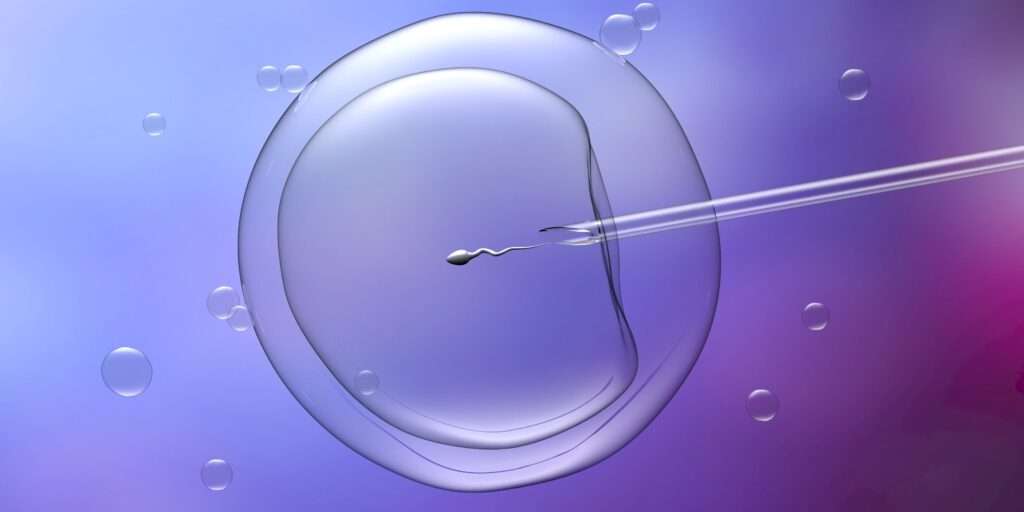
Intracytoplasmic Sperm Injection (ICSI) is a highly specialized assisted reproductive technique developed to overcome severe male infertility or fertilization challenges during IVF. Unlike conventional IVF, where sperm fertilizes the egg naturally in a culture dish, ICSI involves the precise selection of a single healthy sperm, which is injected directly into the cytoplasm of a mature egg using advanced micromanipulation under a high-powered microscope. This method bypasses many barriers to fertilization, including low sperm count, poor motility, abnormal morphology, or previous failed IVF attempts, giving couples a significantly improved chance of conception.
IVF (In Vitro Fertilization)
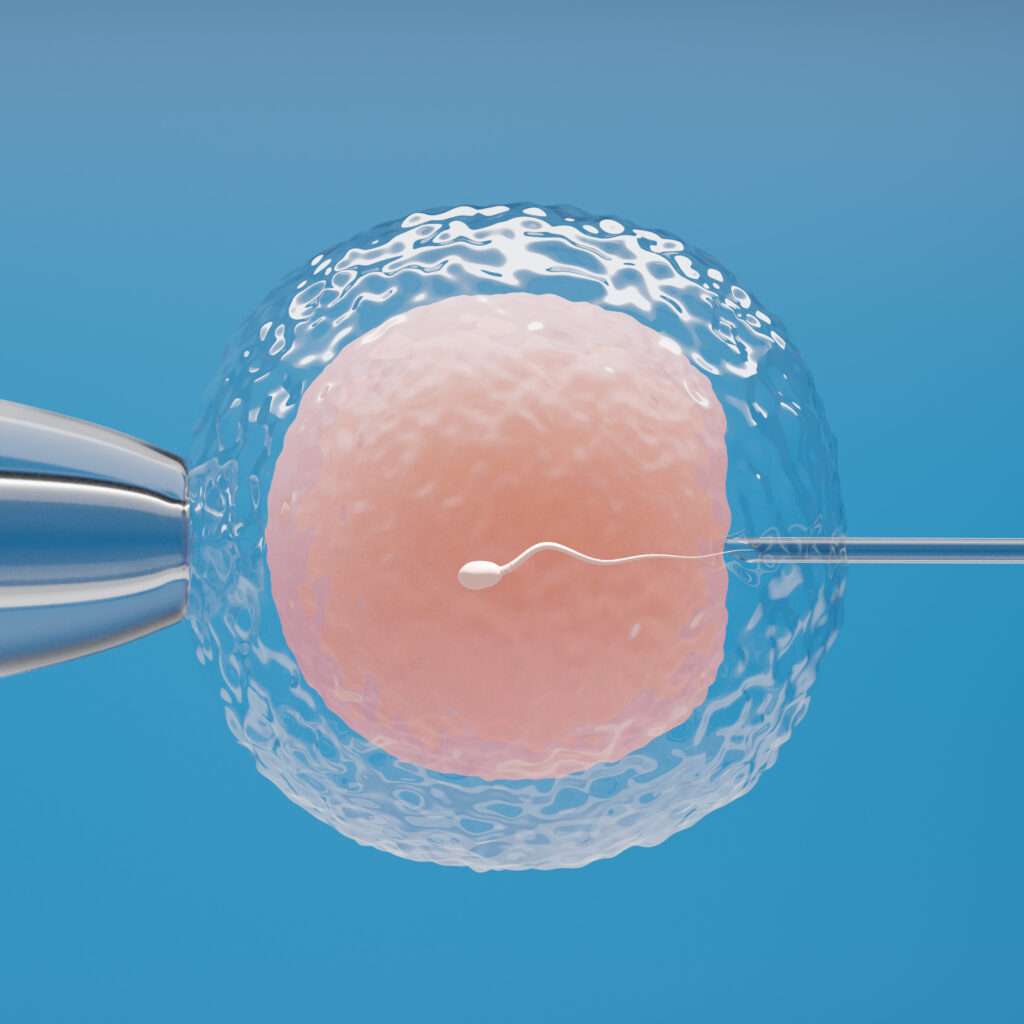
In vitro fertilization (IVF) is a sophisticated assisted reproductive technique designed to help couples or individuals overcome a variety of fertility challenges. Unlike natural conception, IVF allows fertilization to occur outside the body, in a carefully controlled laboratory environment. Mature eggs are retrieved from the ovaries and fertilized with sperm, either through conventional IVF or intracytoplasmic sperm injection (ICSI) when needed. The resulting embryos are monitored for quality and growth before one or more are transferred into the uterus, providing a carefully guided pathway to pregnancy.
Fertility-Enhancing Endoscopic Surgeries
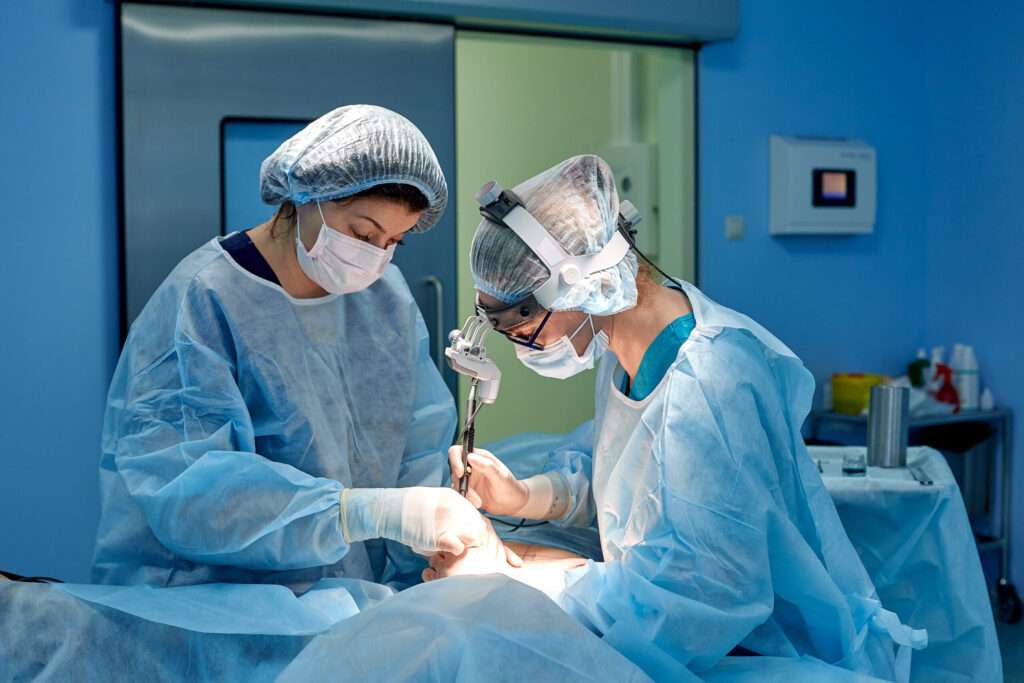
Endoscopic surgeries are minimally invasive procedures that allow our specialists to diagnose and treat conditions affecting male and female fertility with precision. Using a thin tube with a camera , surgeons can correct issues like blocked fallopian tubes, fibroids, endometriosis, adhesions, or varicocele, improving your chances of conception. At Nulife IVF Clinic in Seawoods, these procedures are performed by the best fertility specialists, combining advanced technology with personalized care for the best outcomes.
Male infertility workup

Male infertility refers to difficulties in achieving pregnancy due to problems with sperm production, function, or delivery. These issues can result from a variety of causes including low sperm count, poor motility (movement), abnormal sperm shape, or hormonal imbalances. Structural issues, such as blockages in the reproductive tract, infections, or varicoceles, may also affect fertility. Lifestyle factors such as smoking, excessive alcohol consumption, stress, obesity, or poor diet can negatively impact sperm quality. Certain medical conditions, including diabetes, undescended testes, or previous surgeries, can contribute to infertility. Age-related decline in testosterone and sperm quality can further reduce fertility potential.